Archive
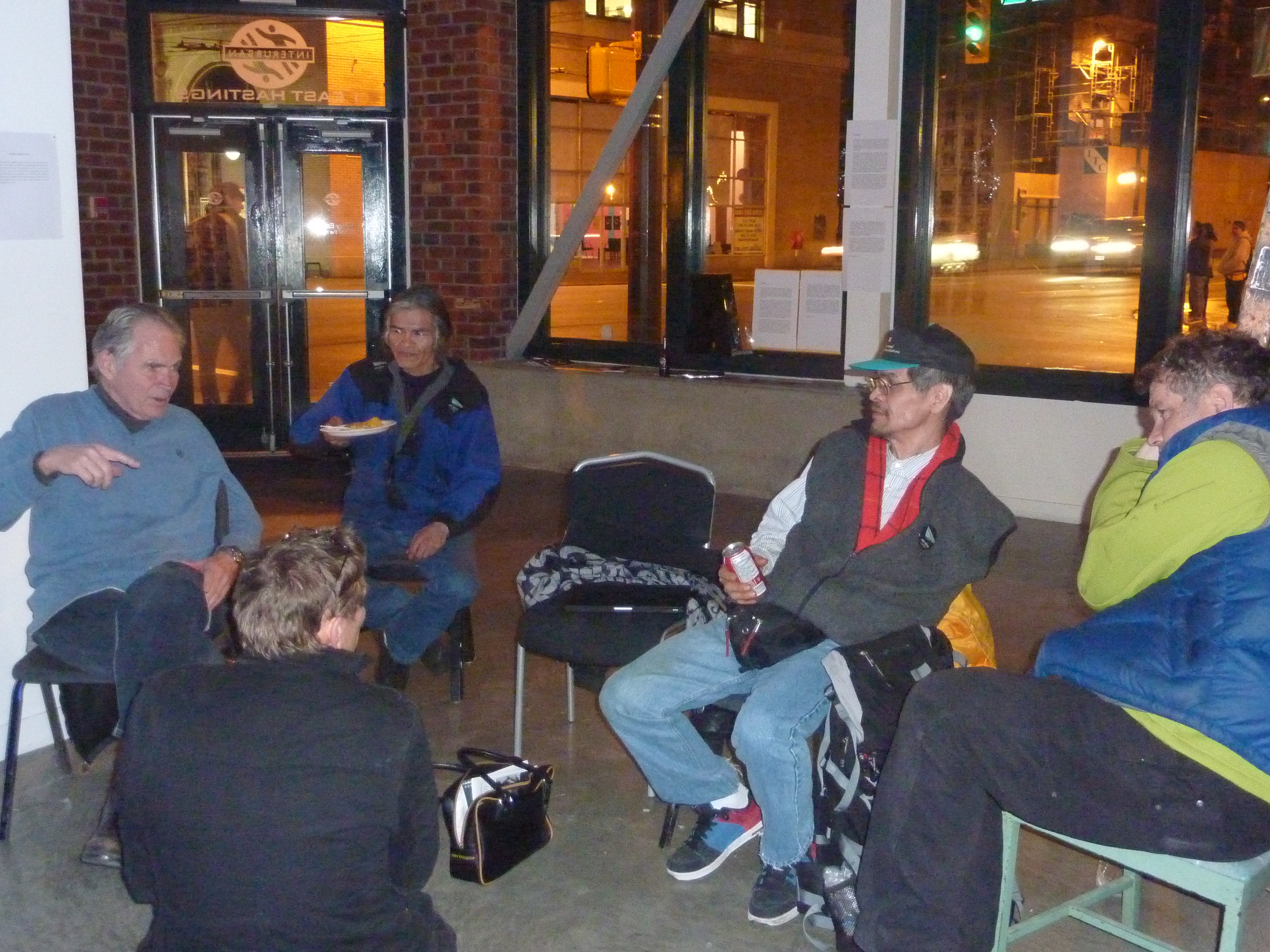
AHA MEDIA was very honored to meet Filmmaker David Rimmer – pioneer of experimental moving images at Interurban Gallery in Vancouver Downtown Eastside (DTES)
AHA MEDIA was very honored to meet Filmmaker David Rimmer – pioneer of experimental moving images at Interurban Gallery in Vancouver Downtown Eastside (DTES)
http://www.DavidRimmerFilm.com
Born and raised in Vancouver, Rimmer graduated from the University of British Columbia with a B.A. in English Literature in 1967. Inspired by Stan Brakhage’s films and writings, he made his first important experimental films, Square Inch Field and Migration, in 1968 and 1969 respectively.
At the time the artist-run Intermedia Co-op in Vancouver and supportive individuals in the Vancouver offices of the Canadian Broadcasting Corporation (CBC) and the National Film Board of Canada (NFB) were providing Vancouver-based experimental filmmakers with access to surplus film, processing, optical printers and other post-production facilities. These filmmakers, Rimmer included, soon became part of the international experimental/avant-garde/underground film movement of the late ’60s and early ’70s.
————————————————————————————————————————-
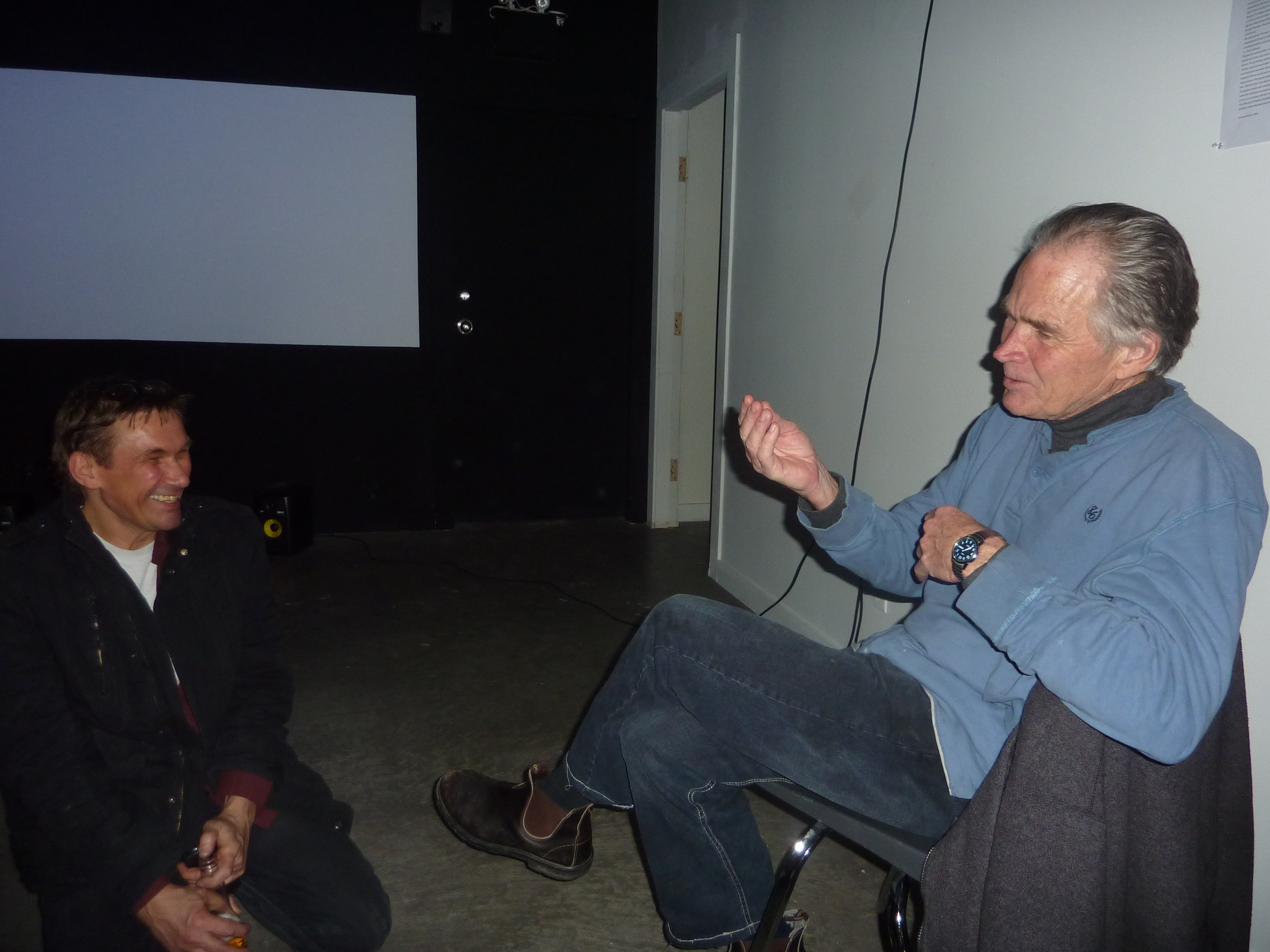
Below is our teacher Christoph Runne with David Rimmer
———————————————————————————————————————————————————–
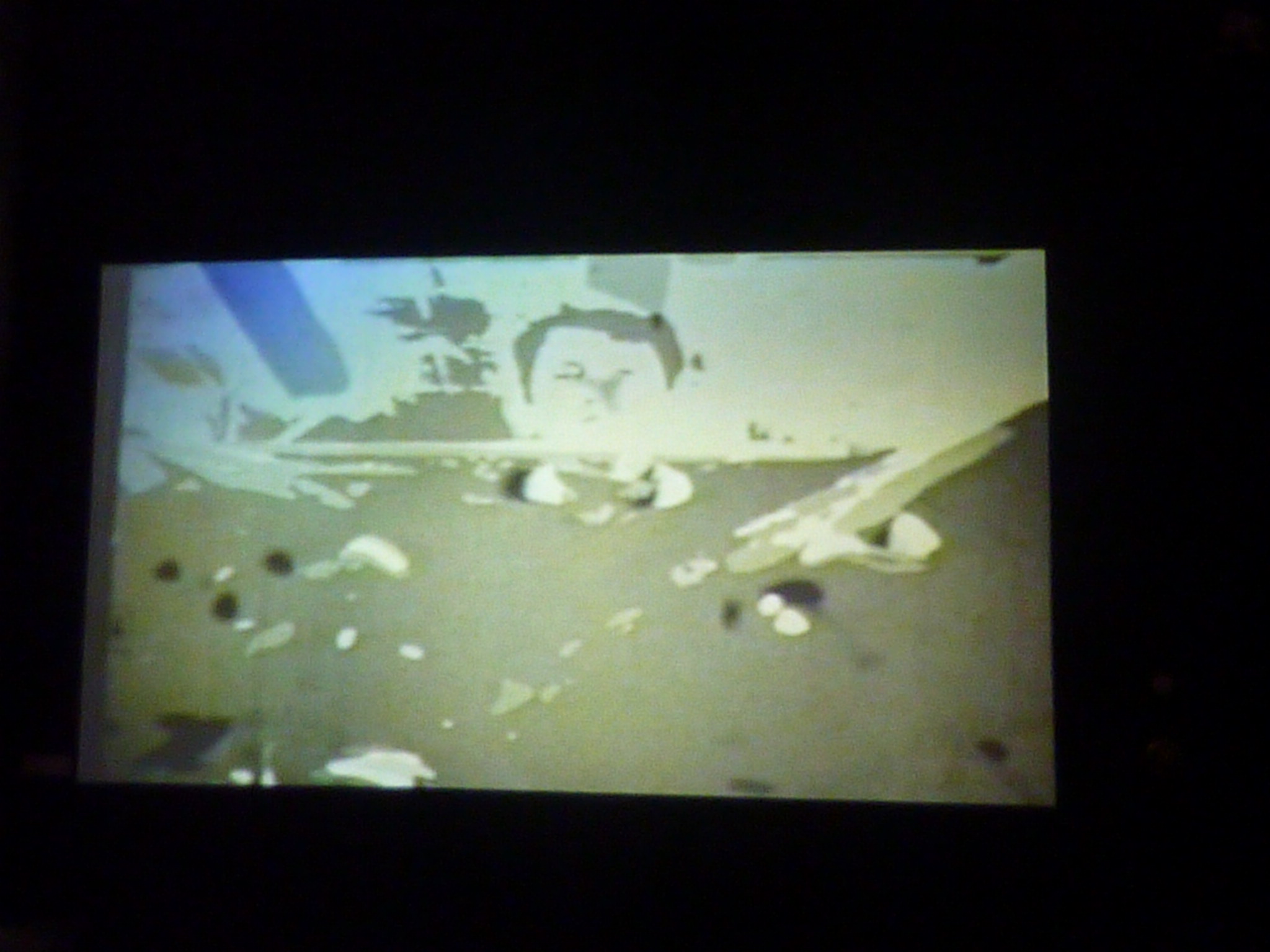
Rimmer was also making film loops for performance pieces. This led to the production of several loop films, including what is probably his most widely seen film, Variations on a Cellophane Wrapper(1970), made from a short segment of an NFB documentary.
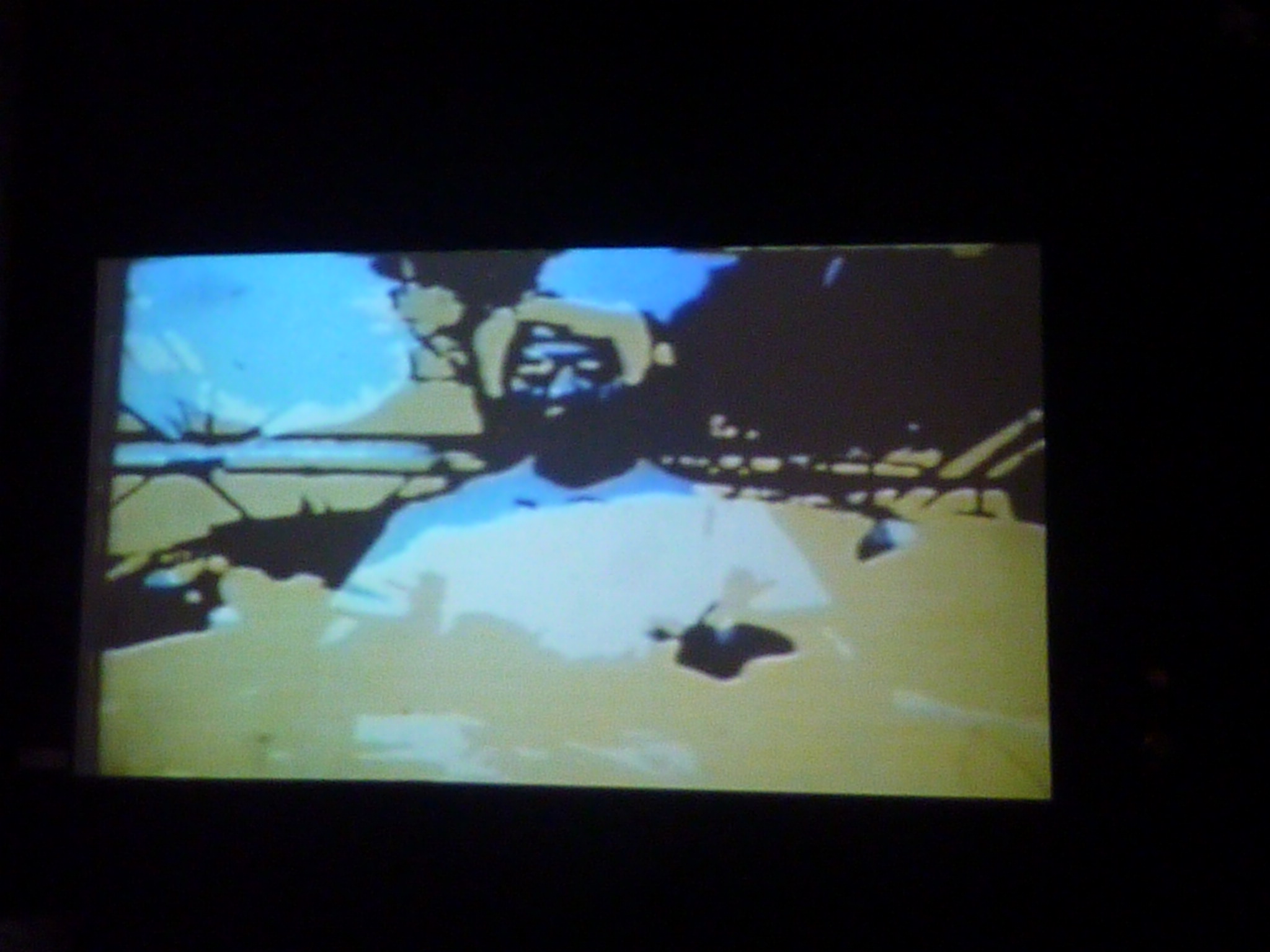
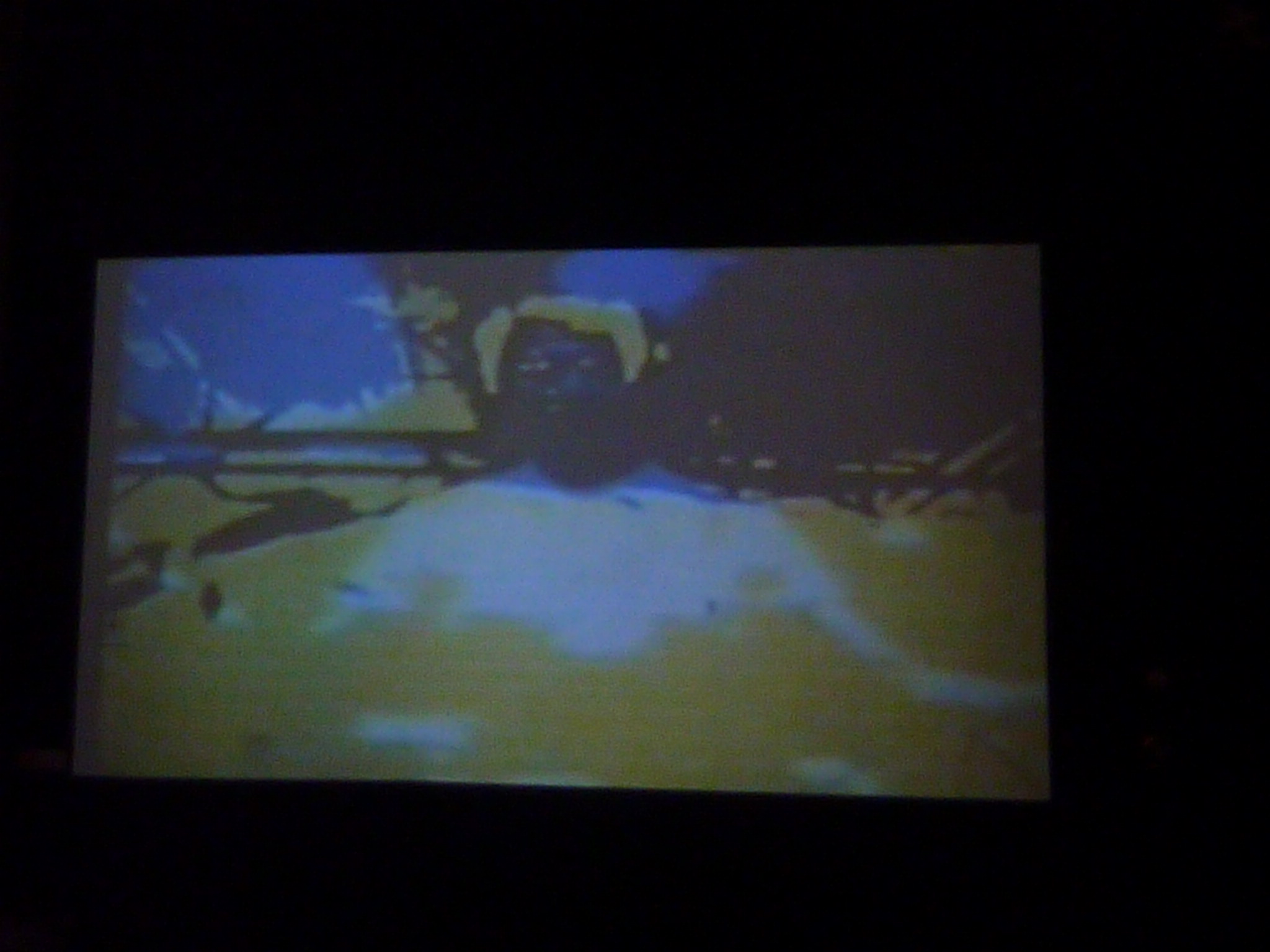
Below are some photos from his film: Variations on a Cellophane Wrapper(1970)
AHA MEDIA is very proud to help announce Filmmaker David Rimmer – pioneer of experimental moving images and his presentation at Interurban Gallery in Vancouver DTES at 7pm Tuesday March 2, 2010
AHA MEDIA is very proud to help announce Filmmaker David Rimmer – pioneer of experimental moving images and his presentation at Interurban Gallery at 7pm Tuesday March 2, 2010
Below is a bio of David Rimmer from…
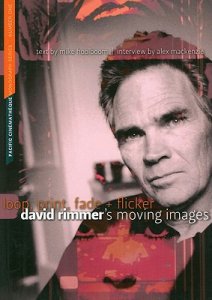
Born and raised in Vancouver, Rimmer graduated from the University of British Columbia with a B.A. in English Literature in 1967. Inspired by Stan Brakhage’s films and writings, he made his first important experimental films, Square Inch Field and Migration, in 1968 and 1969 respectively. At the time the artist-run Intermedia Co-op in Vancouver and supportive individuals in the Vancouver offices of the Canadian Broadcasting Corporation (CBC) and the National Film Board of Canada (NFB) were providing Vancouver-based experimental filmmakers with access to surplus film, processing, optical printers and other post-production facilities. These filmmakers, Rimmer included, soon became part of the international experimental/avant-garde/underground film movement of the late ’60s and early ’70s.
Rimmer was also making film loops for performance pieces. This led to the production of several loop films, including what is probably his most widely seen film, Variations on a Cellophane Wrapper(1970), made from a short segment of an NFB documentary. Found footage was also the source forThe Dance (1970), Seashore (1971), Surfacing on the Thames (1970) and Watching for the Queen(1973). In the last two, step printing reduces movement to a minimum, giving the viewer time to contemplate minute details in each frame of the film, including the changing patterns in the grains of emulsion. While Rimmer returned to found footage for a few later films such as As Seen On TV (1986) and Divine Mannequin (1989), he was also drawing upon his own filmed images of his West Coast environment – the ocean, the coastal forests and inlets – for personal, poetic films of subtle beauty and an introspective appreciation of the shapes, colours, textures and rhythms of nature. Narrows Inlet (1980) and Local Knowledge (1992) are notable examples. Rimmer also discovered fascinatingmise en scènes by setting up his camera at a window and periodically recording what transpired outside – in the street in front of a New York pizza parlour for Real Italian Pizza (1971) and in a Vancouver railroad yard with water and mountains in the background for Canadian Pacific I (1974) and Canadian Pacific II (1975). Taking a very different tack, Rimmer made Al Neil: A Portrait in 1979. It was the first of nearly a dozen films that perhaps can be best categorised as experimental documentaries. Since 2002, he has been hand-painting frames of 35mm film for works released on video, best represented by An Eye for an Eye (2003). Rimmer’s oeuvre of nearly 50 films and videos also includes works shot and released on video, as well as pieces prepared for gallery presentations.
Because of their variety of techniques, genres and subject matter, Rimmer’s films and videos defy the usual critical and scholarly efforts to label and generalise about an artist’s work as a whole. Much of his film work of the 1970s falls within the parameters of the structural and structural-materialist films that dominated experimental filmmaking during that decade, and a select group of his films can be placed in the category of “landscape films” (1). But, as Catherine Russell observed in a 1993 essay (to which I will return), “The body of Rimmer’s work…is a fragmented and historical text” (2). That “text”, which has continued to grow in variety as well as in number of “fragments” since Russell’s essay appeared, has not yet received the kind of critical attention accorded the work of other major Canadian experimental filmmakers, such as Michael Snow, Joyce Wieland and Jack Chambers. WhileLoop, Print, Fade + Flicker provides a useful introduction to Rimmer and his work, it does not provide the detailed critical study that Rimmer’s accomplishments as a film artist deserve.
AHA MEDIA is proud to help announce the InterUrban Gallery opening of Far, Up Close on February 12 for the duration of the Winter Games in Vancouver Downtown Eastside
A Flickering light in the heart of darkness
Multimedia art show opens in Vancouver’s Downtown Eastside
Vancouver, BC—In the heart of Vancouver’s infamous Downtown Eastside, the InterUrban Gallery opens Far, Up Close on February 12 for the duration of the Winter Games. The show is made up of a number of multi-media works, providing a flickering counterpoint to the darkness, real and over-hyped, surrounding it.
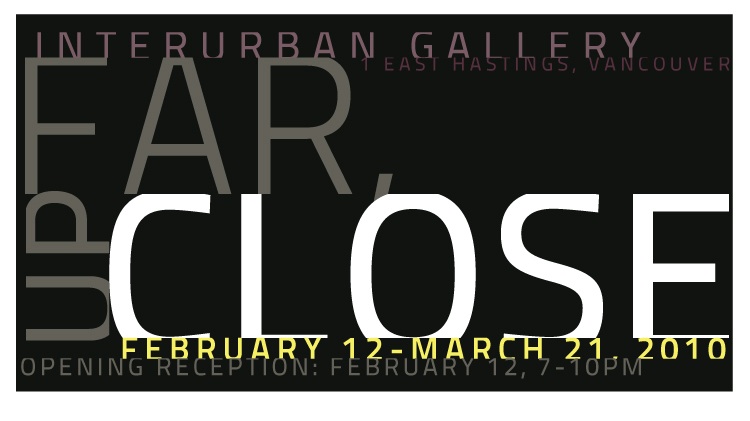
- Where: 1 East Hastings St. (Google map)
- When: February 12 to March 21, Gallery Hours: Wed to Sun, 12 to 5pm; Window Projections: dusk to dawn
—————————————————————————————————————————————————————-
“The media makes the Downtown Eastside out to be such a dark place,” says artist Christoph Runne. “In some ways, that is true. But this is also a place of community and people with stories to tell. We wanted to show that.”

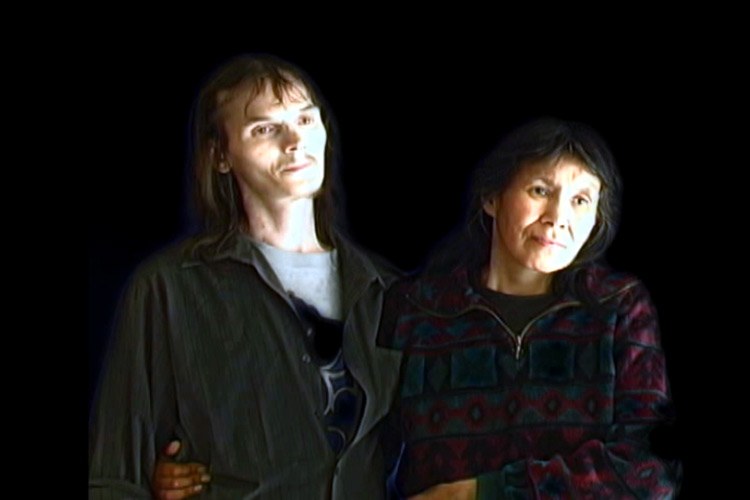
Below is a photo of one of Christoph Runne’s portraits
————————————————————————————————————————————————————
Far, Up Close includes works by Chris Welsby, Christoph Runne, Faith Moosang and Monique Mees
Chris Welsby’s Time After, a five-monitor new media landscape, is neither a movie, nor a photograph. It takes high-speed communications technology and slows it down to planetary speed. Revealing hitherto unnoticed atmospheric shifts and subtle changes in light and color, it turns the city into a landscape and places human activity within the larger time scale of the natural world.
Christoph Runne’s Portraits combines classical portraiture with overt allusions to Dutch masters, turn-of –the-century anthropological photography and police mug shots. Projected on the gallery’s windows, Portraits creates a spectral permanence for the residents of Vancouver’s most disputed neighbourhood.
Faith Moosang and Christoph Runne’s film installation, The Blair Bush Project, looks at the glamourization of warfare and suggests that there is a correlation between beauty and horror.
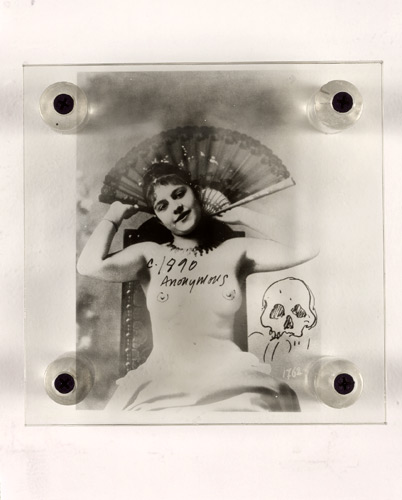
Monique Mees’ photographic series Specimen Plates exposes the visual culture of medicine by addressing the historical use of cinema in medical science to analyze, regulate and reconfigure the transient and uncontrollable human body.
—————————————————————————————————————————————————————
ARTIST BIOS
Chris Welsby
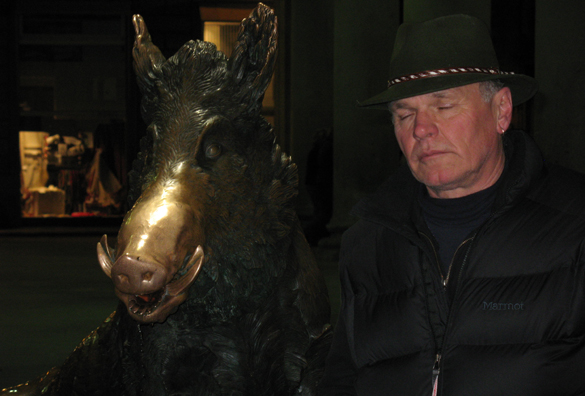
Chris Welsby is a graduate of the Experimental Media Department at the Slade School of Fine Art, University of London UK. He is currently Professor of Film and Digital Media at Simon Fraser University Vancouver and a member of ICICS (Institute for Computing, Information, and Cognitive Systems) at the University of British Columbia, Vancouver. Showing internationally since the early 1970s, his work has ranged across several media, but always concentrating on this central theme: how do we see ourselves in relation to the natural world and how should we position ourselves and our technologies within it?
————————————————————————————————————————————————————
Christoph Runné is a Vancouver-based experimental film, video, and installation artist. Through his work, he explores the unhidden yet seemingly invisible world around us. He creates visual tone poems with a humanitarian heartbeat whose minimalist and impressionistic methodology contradicts the complex human conditions with which Runné engages.
———————————————————————————————————————————————————
Faith Moosang graduated from the Emily Carr Institute of Art and Design and has received her MFA from Simon Fraser University’s School for the Contemporary Arts. Her work, while largely based in photography, has also included installations using video and film. She has shown in group and solo exhibitions in Canada, the United States and Europe. She is fixated on the constructed visuality of warfare and its mediation to and by the public at large.
———————————————————————————————————————————————————-
Monique Mees graduated with honors from the Emily Carr College of Art and Design in 1987. She pursued a scholarship in Germany at the Staatliche Der Bildenden Kunste, Karlsruhe, where she studied painting and has since developed a multi-interdisciplinary practice. Mees has received numerous cultural grants from both the Canada Council and the BC Art Council for her work, which has been shown both nationally and internationally.

Megaphone launches special Olympic issue: “Vancouver’s Downtown Eastside: A People’s History” on Wed Feb 3, 2010 – 11AM to 1PM, Interurban Galley
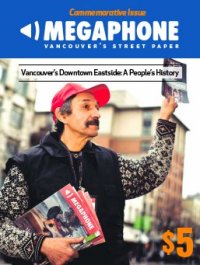
Olympic Issue Launch event
Megaphone launches special issue: “Vancouver’s Downtown Eastside: A People’s History”
Wednesday Feb 3, 2010, 11 AM – 1PM, Interurban Gallery
http://www.MegaphoneMagazine.com
With the eyes of the world on Vancouver for the Winter Olympics, residents of the city’s Downtown Eastside will have a unique opportunity to dispel the negative stereotypes of their historic, but troubled, neighbourhood.
Megaphone, a magazine sold on the streets of Vancouver by homeless and low-income vendors, is launching a special, double-issue on the Downtown Eastside at the Interurban Gallery on Wednesday, February 3rd at 11 a.m. Entitled “Vancouver’s Downtown Eastside: A People’s History”, the issue aims to change the perception of the neighbourhood and the people that populate it.
“There are a lot of unfortunate stereotypes about the Downtown Eastside,” says Megaphone’s editor-in-chief, Sean Condon. “Many people have a tough time seeing beyond the drug use and poverty. But if you dig a little deeper, you’ll find a community bursting with spirit and compassion.”
The commemorative issue features stories on neighbourhood successes like the United We Can bottle depot, which provides both economic and environmental benefits to the city, and the Hope In Shadows calendar project, which shows the community’s strong spirit. It also features articles from vendors and Downtown Eastside residents about their lives and the tremendous barriers they’ve overcome.
Speaking at the event will be Sean Condon, Irwin Oostindie, executive director of W2 (an organization profiled in this issue) and Dalannah Gail Bowen (who is the executive director of the Downtown Eastside Centre for the Arts and is a member of editorial advisory board for this special issue).
Megaphone vendors will be in attendance to pick up issues and new Megaphone carrier bags. They will also be available to speak to the media.
The magazine’s launch will be held on Wednesday, February 3rd at the Interurban Gallery (1 E. Hastings) at 11 a.m. The event will be open to the public and will include snacks and drinks.
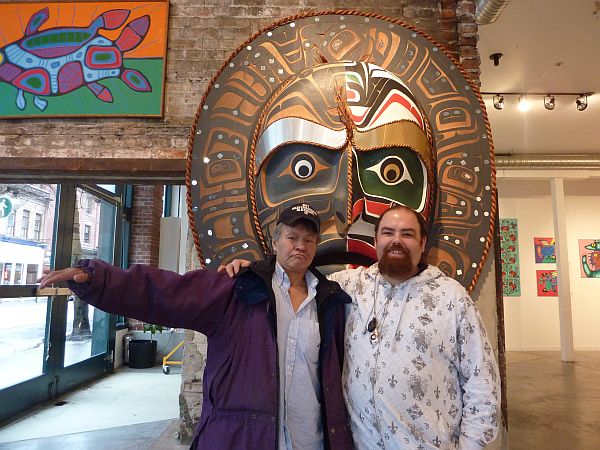
AHA MEDIA was pleased to meet Jadeon Rathgeber, Aboriginal Artist and Carver in Vancouver Downtown Eastside on Saturday Jan 9, 2010
AHA MEDIA was pleased to meet Jadeon Rathgeber, Aboriginal Artist and Carver at Interurban Gallery and Downtown Eastside Centre for the Arts in Vancouver on Saturday Jan 9, 2010

See Jadeon Rathgeber’s story in his own words in Common Ground Magazine
http://www.commonground.ca/iss/222/cg…
See more about Jadeon Rathgeber’s mother Pat Bruderer and The Ancient First Nation Art of Birch Bark Bitings & Transparencies
http://www.halfmoonstudios.com/
————————————————————————————————————————————————————
In this video, Jadeon Rathgeber introduces himself and his art show Make It Real at Interurban Gallery in Vancouver Downtown Eastside ( DTES )
This video was filmed by April Smith of AHA MEDIA on a New Media camera – Panasonic DMC-ZS3. AHA MEDIA is about exploring mobile media production through New Media cameras. For a better quality version of this video, please DM April Smith @AprilFilms on Twitter or Facebook.com/AprilFilms
———————————————————————————————————————————————————-
In this video, Jadeon Rathgeber speaks about his mother Pat Bruderer’s Birch Bark Bitings at Interurban Gallery in Vancouver Downtown Eastside ( DTES )
This video was filmed by April Smith of AHA MEDIA on a New Media camera – Panasonic DMC-ZS3. AHA MEDIA is about exploring mobile media production through New Media cameras. For a better quality version of this video, please DM April Smith @AprilFilms on Twitter or Facebook.com/AprilFilms
———————————————————————————————————————————————————–
In this video, Jadeon Rathgeber speaks about his art piece which represents his sister at Interurban Gallery in Vancouver Downtown Eastside ( DTES )
This video was filmed by April Smith of AHA MEDIA on a New Media camera – Panasonic DMC-ZS3. AHA MEDIA is about exploring mobile media production through New Media cameras. For a better quality version of this video, please DM April Smith @AprilFilms on Twitter or Facebook.com/AprilFilms
—————————————————————————————————————————————————————-
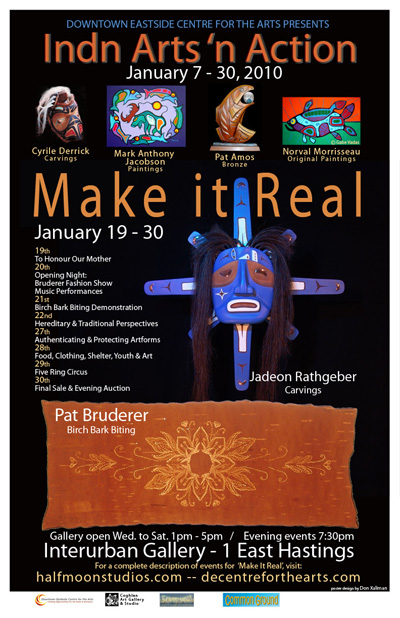
See description of Jadeon Rathgeber’s art show in
Indn Arts ‘n Action Make it Real
January 7 to January 30, 2009
Wednesday to Saturday, 1:00 pm to 5:00 pm
Interurban Gallery, One East Hastings, Vancouver
http://www.decentreforthearts.com/ind…
Evening Events
January 19
To Honour Our Mother: Do Our Stories Lie with Farley Mowat
Matriarch and elder Ilse Schweder Bruderer Clements joins with her daughters and grandchildren to tell their stories and explore the consequences of story and historical manipulation and exploitation, with particular focus on the stories of Farley Mowat as they pertain to them. This is about setting the record straight in art and history.
January 20
Opening Night: Bruderer Fashion Show Musical Performances
Indigenous inspired fashions by Sandra and Pat Bruderer, as well as up and coming designer, 19 year old Heather Williams. Musical performances by Tara Willard and Camillia.
January 21
Birch Bark Biting: One of the Rarest and most threatened Indigenous art forms.
Pat Bruderer is one of the last remaining practitioners of this art form, bringing it to a level of articulation never before witnessed in history. Single layers of bark are painstakingly harvested, then folded and bitten with the teeth to produce elaborate stories and patterns. Discussions about history, traditional uses, as well as participatory demonstrations.
January 22
Hereditary and Traditional Perspective: Conversations on issues of the day
Come listen and participate in conversation with traditional peoples and spiritual leaders about the issues facing us all.
January 23
She Keeps The Door Sandra Bruderer & Splitting The Sky with John Boncore
In Conversation
This dynamic couple will be presenting their views and current work, including Splitting the Skys upcoming historic court case pertaining to the war crimes of George W. Bush, as well as readings from their book.
January 27
Make it Real: Authenticating and protecting indigenous art forms
Conversations with people involved in the indigenous arts movement discussing the recognition, authenticating, and support of First Nations arts and crafts. Panelists include Pat Bruderer, who as worked on this issue for years, and guest keynote presenters working on behalf of Norval Morrisseau, including: Gabe Vadas (Weekan) who was Norvals agent for 20 years; Bryant Ross of Coghlan Art who continues to represent Norval for over 20 years; and Mark Anthony Jacobson.
January 28
Food, Clothing, Shelter, Youth, Art
What does our future look like? Conversations surrounding our collective future, with particular focus on the necessities of life and the plight of todays youth, finding our way back to a meaningful existence. Jadeon Rathgeber will discuss his experiences and perspective from his own life, and will be joined by Thom Evans with analysis of the big picture.
January 29
Five Ring Circus: The Olympics portraying a false image of indigenous reality
Conversations exploring false images in promotion and culture, with particular focus on the Olympics and the realities facing indigenous peoples
January 30
INDN ART ‘N ACTION FINAL SALE AND AUCTION
Includes art by Mark Anthony Jacobson, Pat Amos, Jadeon Rathgerber, Cyrile Derrick
All events take place at the InterUrban Gallery at One East Hastings at 7:30 p.m
Follow Us!


 AHA Media