Archive
Happy New Year 2009 !
Here is a video with a small firework display to usher in the New Year, courtesy of AHA reporter Peter Davies
Views of our neighborhood
Photo of the Heatley Block from Astoria Hotel window
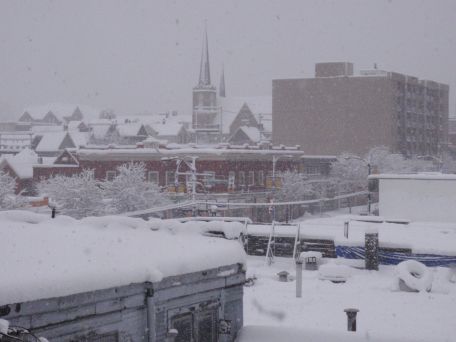
Photo of the Astoria Hotel parking lot
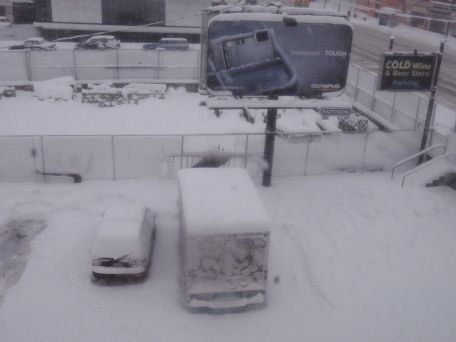
Photo of Granville Street from Winner’s Store level
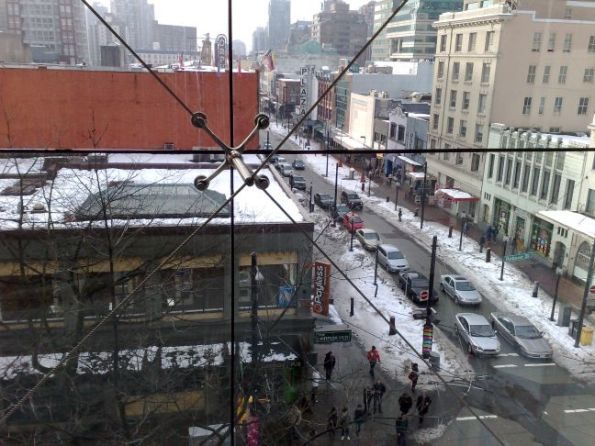
Photo of Granville street by Robson view, taken from Winner’s Store level

Photo of Bird’s eye View from Inside Corner of Winner’s Store at Granville and Robson

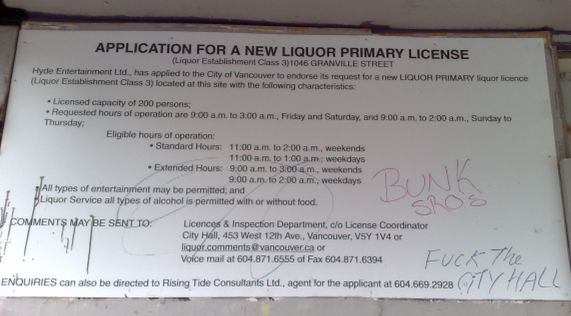
A new liquor license establishment to open up on Granville Street.
While walking on Granville Street, AHA noticed a new liquor establishment to go out. Notice what the graffitti says on the sign
AHA MEDIA outside the Vancouver Art Gallery
Here is Hendrik checking out the kindness of people during this holiday season.

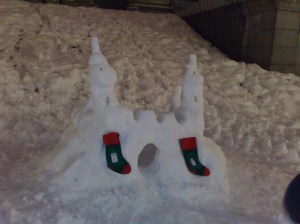
Snow castle being built at the Vancouver Art Gallery
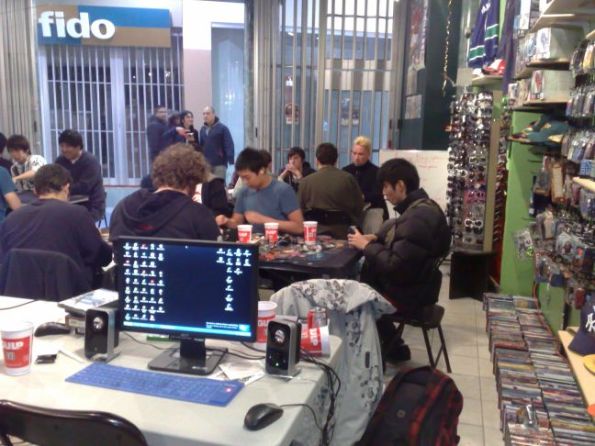
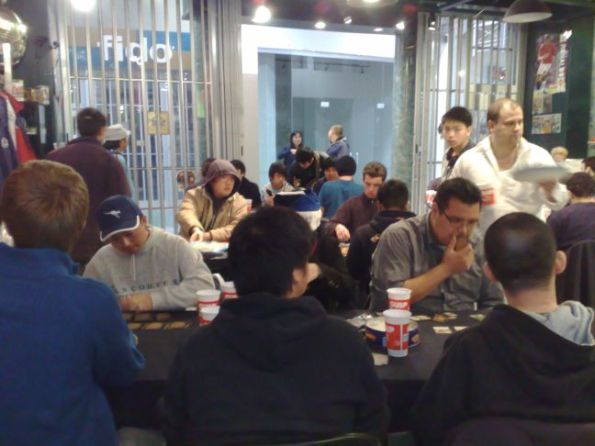
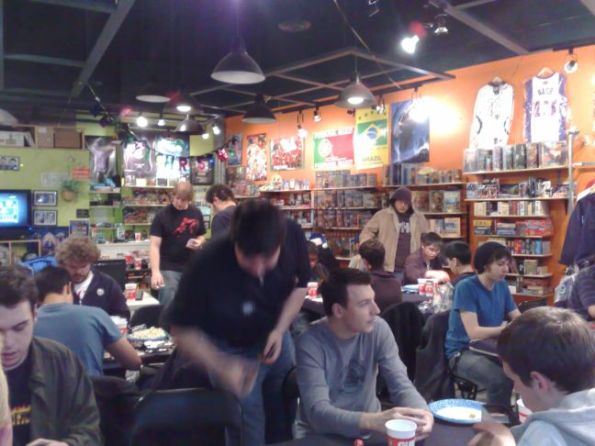
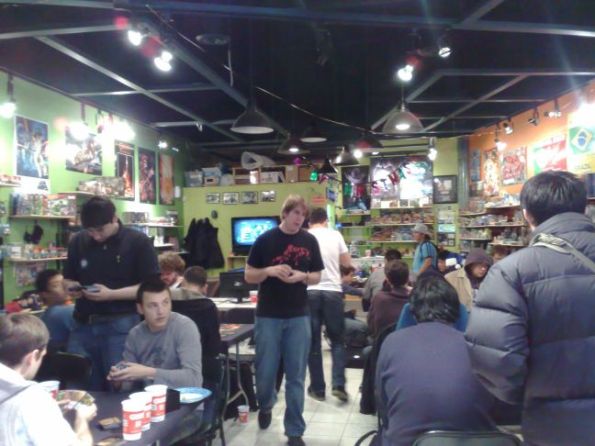
AHA MEDIA is proud to be Media Sponsors of One Stop Cards and Games in Tinseltown Mall – Magic the Gathering tournament !!
The cold weather certainly couldn’t keep hardcore fans from playing Magic the Gathering (MTG) . A game that many gamers play with great gusto! Today at One Stop Cards & Games in Tinseltown Mall is hosting a MTG tournament where it encourages friendly camarderie and careful strategy to be the ultimate winner!!
For those unfamiliar with this game, we have posted an excerpt of the definition of Magic the Gathering from wikipedia. http://en.wikipedia.org/wiki/Magic_the_gathering
Magic: The Gathering (colloquially “Magic“, “MTG“, or “Magic Cards“) is a collectible card game created by mathematics professor Richard Garfield and introduced in 1993 by Wizards of the Coast. Magic is the first example of the modern collectible card game genre and still thrives today, with an estimated six million players in over seventy countries.[3] Magic can be played by two or more players each using a deck of printed cards or a deck of virtual cards through the Internet-based Magic: The Gathering Online or third-party programs.
Each game represents a battle between powerful wizards, known as “planeswalkers“, who use the magical spells, items, and fantastic creatures depicted on individual Magic cards to defeat their opponents.
An organized tournament system and a community of professional Magic players has developed, as has a secondary market for Magic cards. Magic cards can be valuable due to not only their scarcity, but also their utility in game play and the aesthetic qualities of their artwork.
Gameplay

Magic: The Gathering cards of various types and colors.
In a game of Magic, two or more players are engaged in a battle as powerful wizards called “planeswalkers”. A player starts the game with twenty life points and—with a few exceptions—loses when he or she is reduced to zero or less. The most common method of reducing an opponent’s life is to attack with summoned creatures, although numerous other methods exist. Although reducing an opponent to zero life is the most common way of winning (or losing) the game, drawing from an empty deck will also cause a player to lose. In addition, some cards specify other ways to win or lose the game.
Players begin the game with seven cards in hand. The two basic card types in Magic are “spells” and “lands”. Lands provide mana, or magical energy, which is used as magical fuel when the player attempts to cast spells. More powerful spells cost more mana, and are usually more difficult to play. Some spells also require the payment of additional resources, such as cards in play or life points. Spells come in several varieties: “sorceries” and “instants” have a single, one-time effect before they go to the “graveyard” (discard pile); “enchantments” and “artifacts” provide a lasting magical effect; creature spells summon monsters that can attack and damage your opponent. Spells can be of more than one type. As of Lorwyn block a new card type, “planeswalkers”, have been introduced to the game. Planeswalkers represent powerful beings with their own magic abilities, one of which can be used each turn.
Some spells have effects that override normal game rules. The “Golden Rule of Magic” states that “Whenever a card’s text directly contradicts the rules, the card takes precedence.”[13] This allows Wizards of the Coast great flexibility in creating cards, but can cause problems when attempting to reconcile a card with the rules. A detailed rulebook[14] exists to clarify these conflicts.
====================================================================================
Photos from One stop Cards & Games Shop:
Follow Us!


 AHA Media