Archive
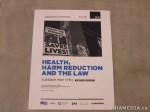
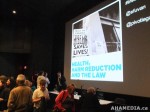
Health, Harm Reduction and the Law: The InSite Case and the Future of Canadian Drug Policy in Vancouver

Join us for Health, Harm Reduction and the Law
written by darcie| Thu, 05/05/2011 – 10:41
Next week, the Supreme Court of Canada will hear the Federal Government’s final appeal of the decision to allow the Insite Supervised injection facility to continue to provide lifesaving medical services and support to people who use injection drugs. We are inviting everyone who is interested in learning more about the struggle to open Canada’s first supervised injection site, the ongoing legal battle to keep it open, and the potential impact of a final ruling in this case to join us May 17th for Health, Harm Reduction and the Law: The InSite Case and the Future of Canadian Drug Policy.
Pivot board member and author of Vancouver’s groundbreaking Four Pillars Drug Strategy, Donald MacPherson will moderate an evening of discussion with legal professionals, medical experts, community activists and safe injection site users. The evening will focus on demystifying the case, celebrating the successes and challenges of the movement for evidence-based drug policy, and turning our attention to the future of drug policy in this country.
We’ll see footage straight from the courtroom in Ottawa. We will hear from the Portland Hotel Society, which operates Insite, and their lawyer, Monique Pongracic-Speier. Dr. Thomas Kerr of the Centre for Excellence in HIV/AIDS and Maxine Davis, Executive Director of the Dr. Peters Aids Foundation will talk about the potential health implications of the decision in this case. Plaintiff Dean Wilson will reflect on his journey through the court process as a person who has used Insite. Downtown Eastside activist Bud Osborn will share reflections on the grassroots movement for a supervised injection facility. Dave Murray will talk about the unique perspective and legal arguments that the Vancouver Area Network of Drug Users has brought to this case.
We’re looking forward to a lively evening of discussion, debate and reflection on the implications of this case for people who use drugs in Vancouver’s Downtown Eastside and beyond.

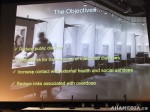
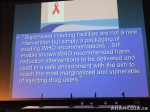
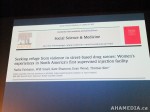
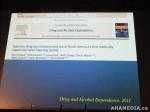
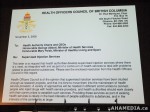
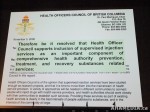

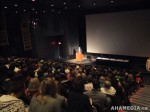
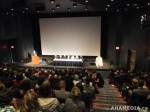







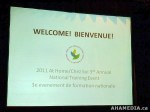
At Home/Chez Soi National Training event by Mental Health Commission of Canada (MHCC) in Richmond, BC
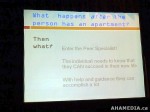
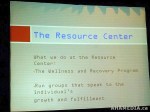
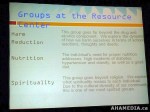
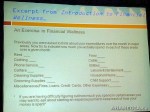
The At Home/Chez Soi research demonstration project is investigating mental health and homelessness in five Canadian cities: Moncton, Montreal, Toronto, Winnipeg and Vancouver.
The At Home/Chez Soi project is based on a Housing First approach.
A total of 2285 homeless people living with a mental illness will participate.
1,325 people from that group will be given a place to live, and will be offered services to assist them over the course of the initiative. The remaining participants will receive the regular services that are currently available in their cities.

Participants will have to pay a portion of their rent, and be visited at least once a week by program staff. The project is all about choice, and people will be able to choose housing within a number of different sites within their cities – including apartments and group homes.
The overall goal is to provide evidence about what services and systems could best help people who are living with a mental illness and are homeless. At the same time, the project will provide meaningful and practical support for hundreds of vulnerable people.
Data from this kind of extensive research does not currently exist in Canada.
The MHCC project is unique and the largest of its kind underway in the world right now.
A comparison between different Housing First approaches and “care as usual” is being studied in all cities. In addition, each of the sites has specific population targets and various sub-studies
1. Moncton: one of Canada’s fastest growing cities, with a shortage of services for Anglophones and Francophones.
2. Montreal: different mental health services provided to homeless people in Quebec.
3. Toronto: ethno-cultural diversity including new immigrants who are non-English speaking.
4. Vancouver: people who struggle with substance abuse and addictions.
5. Winnipeg: urban Aboriginal population.
Read more here

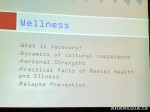















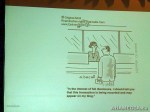







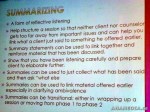



















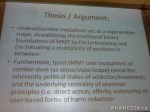
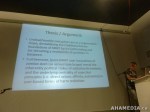
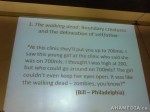
Making up Methadone: International perspectives on inequality, social justice and methadone maintenance therapy
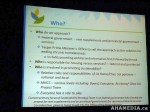
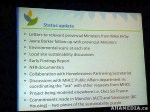
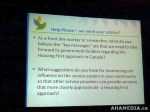
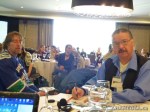
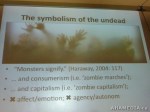
This event was part of a workshop which brings an international group of researchers to Vancouver to discuss the social and cultural dimensions of methadone maintenance therapy for opioid dependency.
An evening of presentations and dialogue focused on key dilemmas connected to this longstanding but often still controversial treatment. Lived experience, inequality and social justice are themes considered from the vantage point of different global contexts.



























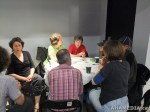
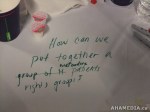

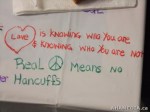




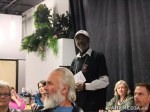

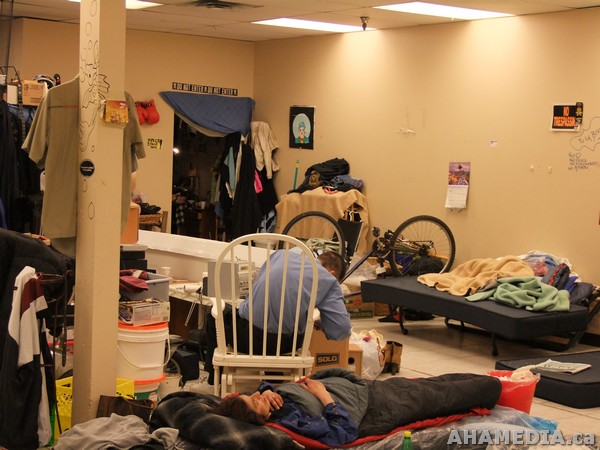
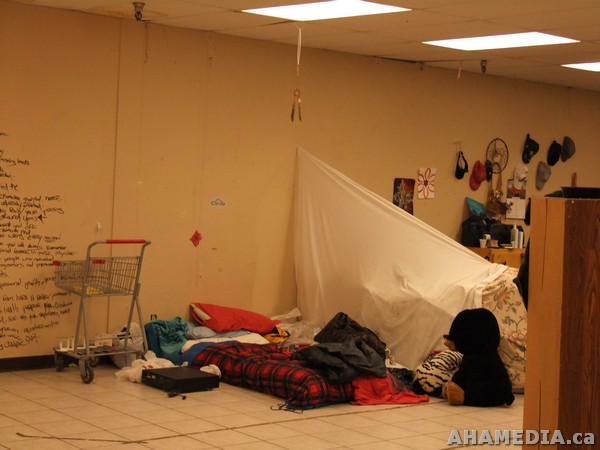
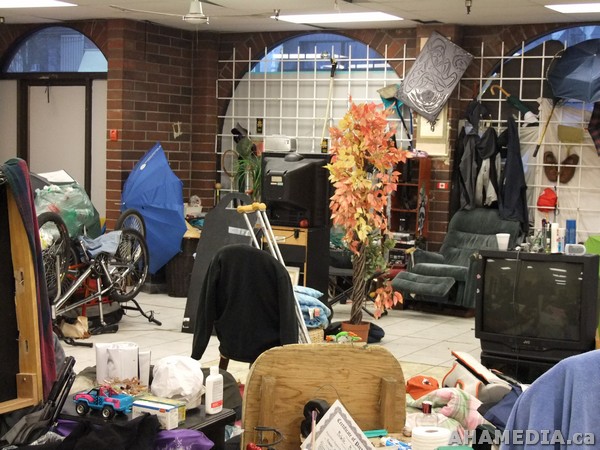
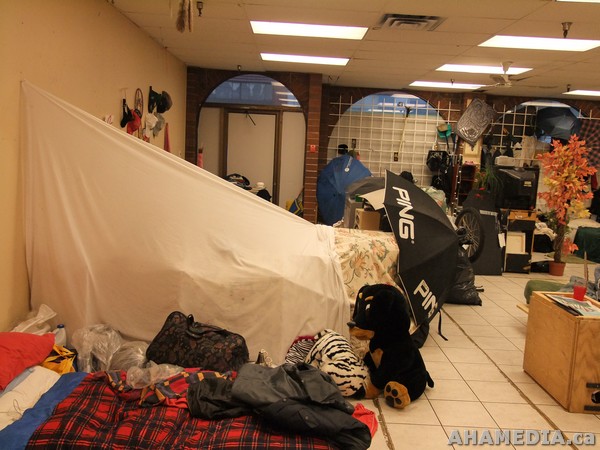
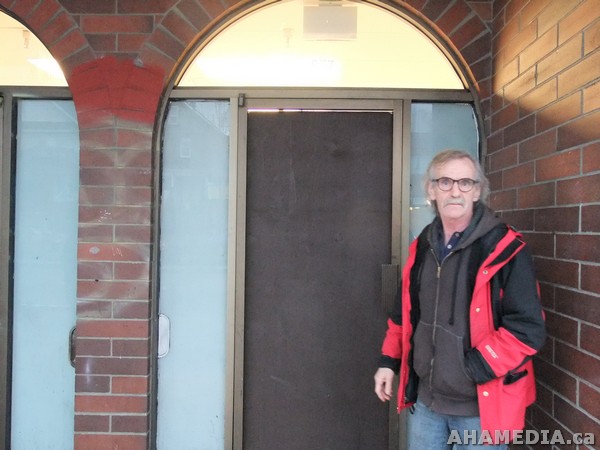
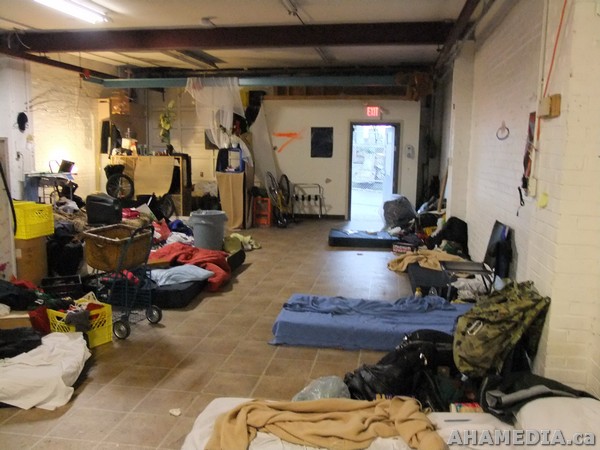
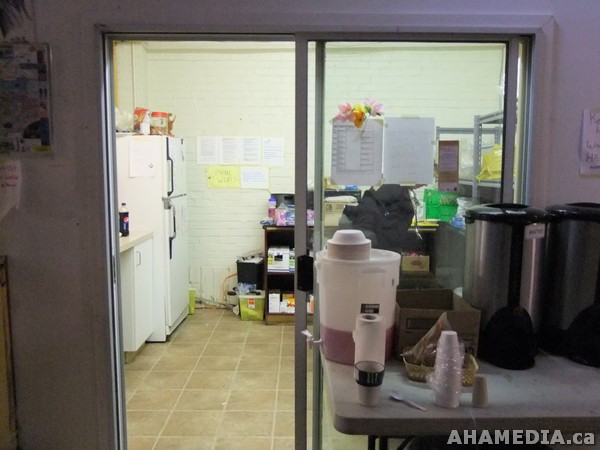
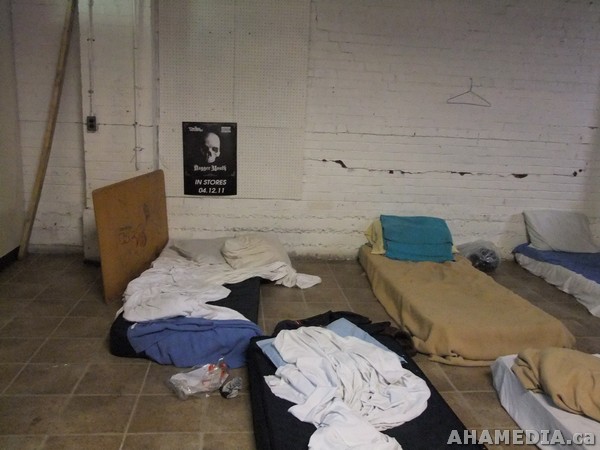
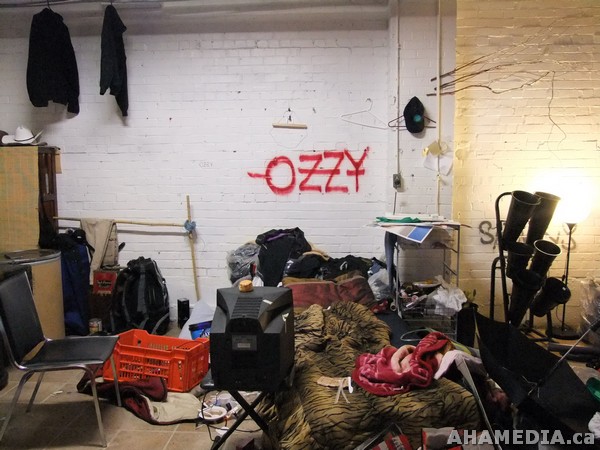
AHA MEDIA visit inside Fraser Street Shelter at 677 E Broadway by Fraser St in Vancouver
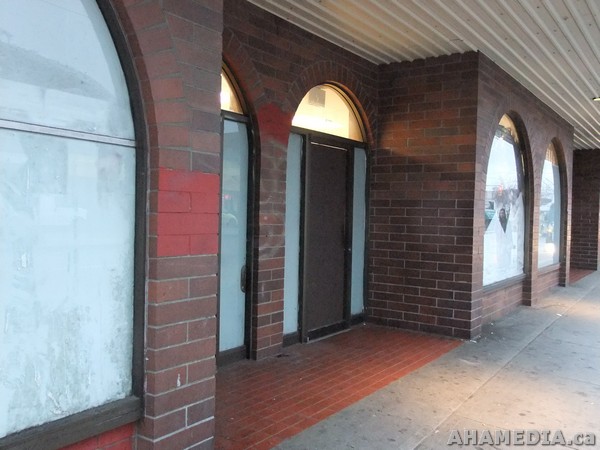
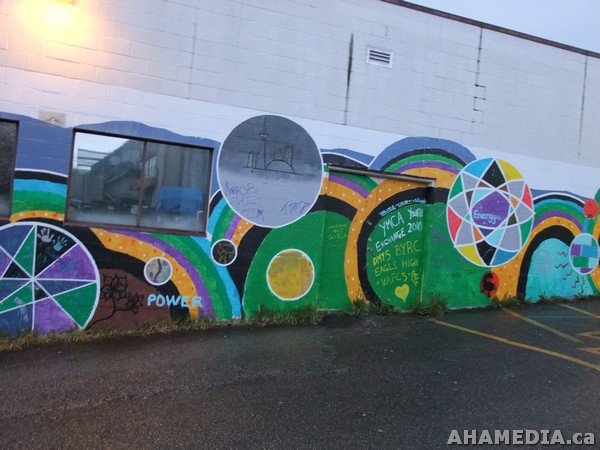
AHA MEDIA together with Wendy Pedersen and Dave Murray of Carnegie Community Action Project (CCAP) visit the Fraser Street Shelter at 677 E Broadway by Fraser St in Vancouver that is due to be closed down on Friday April 29, 2011
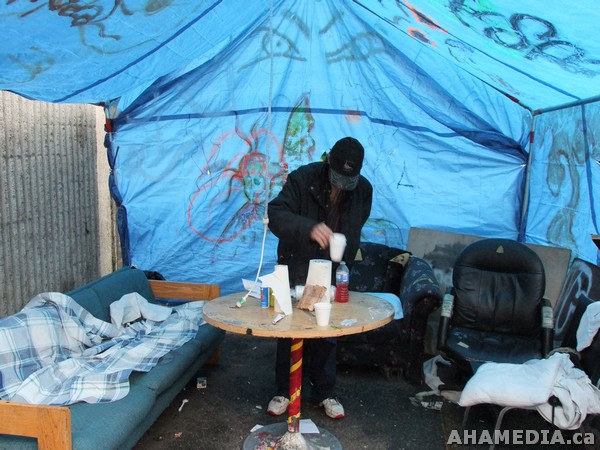
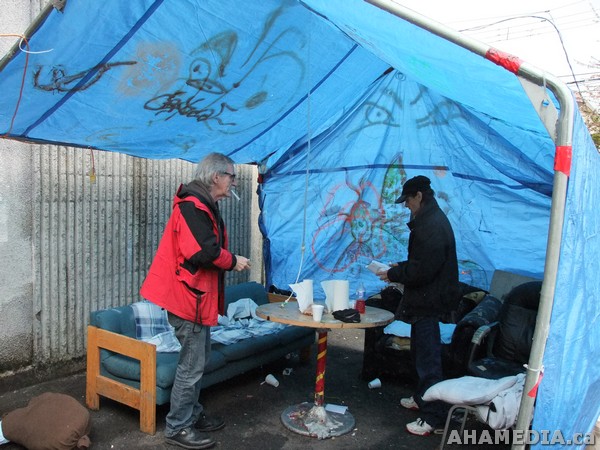
Homeless will start Tent City to demand shelter
Vancouver: Five emergency shelters are scheduled to close because of lack of funding and commitment from the city and province starting on April 27th. Homeless reps from three shelters with the support of housing advocates announced their intention to start tent cities outside shelters if funding is not renewed within 24 hours.
These 3 shelters are slowly emptying out and scheduled to close immediately:
747 Cardero St (Wednesday)
1442 Howe St (Thursday)
677 E Broadway @ Fraser St (Friday)
There are about 20-30 people remaining in these 3 shelters. Residents in these shelters lack options once their shelters close. They can’t rent apartments because of stigma from landlords. No social housing is available. Many can’t bear to go back to an infested, unsafe SRO in areas where they used to use drugs or have been “red zoned” by police.
As Marta from the Howe shelter said, “I’m going to stay right here in the alley. We are here because we don’t want to be alone. We got nobody. Everyone else has a family, we don’t. This is our family.” Marta said she doesn’t buy the excuse that governments don’t have money. She explained that each person in her shelter is eligible for $375 a month for rent on welfare and if you multiply this by 40 people per shelter that means BC Housing already has $15,000 a month to spend to keep her shelter open.
“I can’t go to an SRO”, said Chase from the Cardero Shelter. “I’ll go crazy and just end up back on the street. If this shelter closes, I guess I’ll head to the Super Value parking lot. That’s where we came from before they opened this place up.” “If I lose this place, these regular meals and my guaranteed spot here, then I’ll go back to selling drugs to survive,” said Deanna, also from the Cardero Shelter. Don from the Fraser shelter who is about 65 years old said: “Two women near IGA on Broadway got me to come here about a month ago. I’ve been outside a long time. I guess if they close this, I’ll be in the doorways, back laneways and behind restaurants.” Kerry from Howe said: If this closes I’ll find an abandoned house. I have my Coleman stove. I hope nobody will notice me. If this shuts down, the government will spend more money on corrections. People here will be panhandling, living in the allies. You would think they would rather we stay in the shelter.”
Shelter residents are under stress from poor health and because of the impending closure, but despite that, there is a strong spirit among many who want to stick together and form a vigil in front of the shelter to make their concerns heard. Advocates have joined together to defend shelter residents from losing their ground, their networks of support and these makeshift homes.
Wendy Pedersen of the Carnegie Community Action Project said, “We are mortified that we have to fight for these shelters every year. Premier Clark promised to regularize funding for shelters. She needs to show she’s in charge and get funding within 24 hours plus commit to building 2000 social housing units a year in BC. We need the Mayor to live up to his promises to end homelessness, buy land for social housing and cancel his office renovations in order to pay to keep these shelters open as long as needed.”
Gail Harmer, Council of Senior Citizens of BC, talked to shelter residents and asks: “Do Vancouverites realize that increasingly seniors are among the people using these temporary shelters? We simply cannot afford housing costs even after we sell all our possessions and go without medications and food!! We appreciate the ‘care’ and ‘community’ of these temporary 24 hour shelters. With their closing, the housing options offered by BC Housing are less appealing than the streets! Can you imagine?!”
“Last spring, the City and Province shut down 5 shelters. Now they are shutting down 5 more, kicking people who have nowhere else to go onto the street. There is no good reason to do this. Everyone suffers. This cruel and precarious situation has to change,” said Tristan Markle of Vanact! “Mayor Robertson won power on the backs of the poor and working-poor, promising to make Vancouver affordable and to end homelessness. But the City is becoming less affordable every day, and the numbers of homeless are only increasing. We need a big change.”
“Here we are with shelters closing in the same week the City of Vancouver passes a law saying it is illegal to put up shelter on a public street,” said Doug King, lawyer at Pivot Legal Society. “The lack of understanding is appalling.”
For more information, contact:
Wendy Pedersen, Carnegie Action Project (604) 839-0379
Nate Crompton, Vanact: 604-700-2309
Doug King, Pivot lawyer 778-898-6349




Advocates:
Association of Chinese Canadians for Equality and Solidarity
BC Association of People on Methadone
Carnegie Community Action Project
Citywide Housing Coalition
Council of Senior Citizens of BC (COSCO)
DTES Neighbourhood Council
DTES Women’s Centre Power to Women
Gallery Gachet
Indigenous Action Movement
Pivot Legal Society
St. Augustine’s social justice committee
Streams of Justice
Teaching Support Staff Union Social Justice Committee
Urban Subjects
Vanact!
Vancouver Area Network of Drug Users
Western Aboriginal Harm Reduction Society
Background info:
1) Homeless Count
According to the 2010 homeless count, the number of homeless in Vancouver has increased 12% from 2008, from 1576 to 1762. The count shows that the homeless continue to be disproportionately Aboriginal, older and in poor health. Until now, most homeless people have been able to find shelter beds; the closure of these shelters will mean more than 600 people will sleep on the streets of Vancouver.
http://vancouver.ca/commsvcs/housing/pdf/VancouverHomelessCount2010.pdf
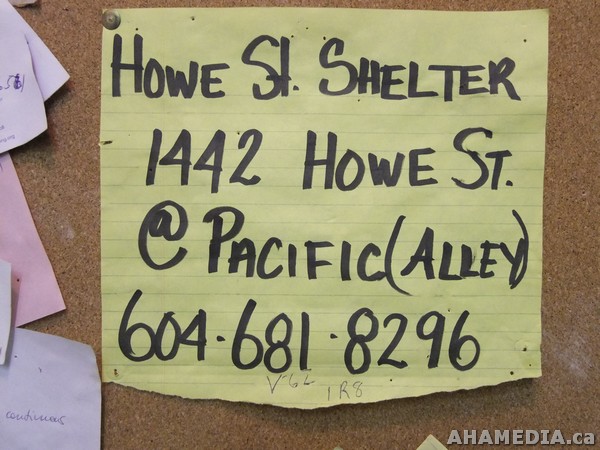
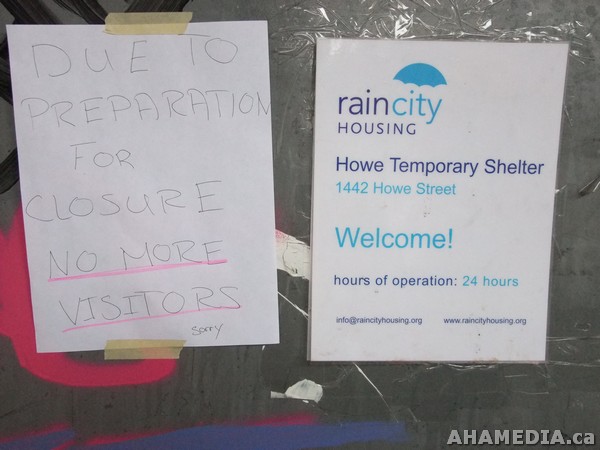
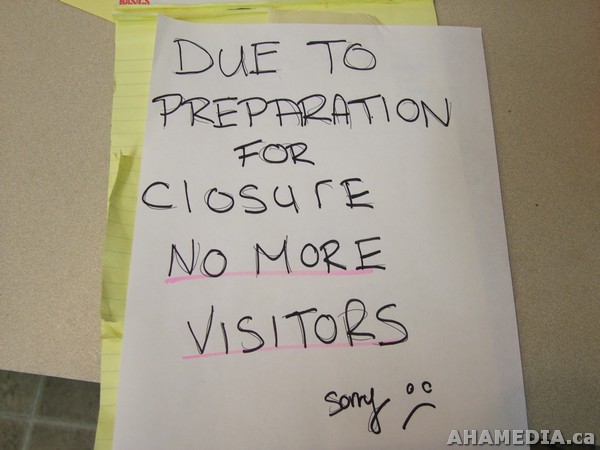
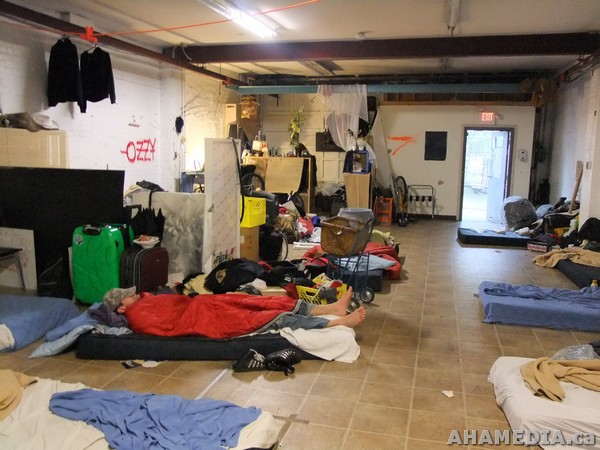
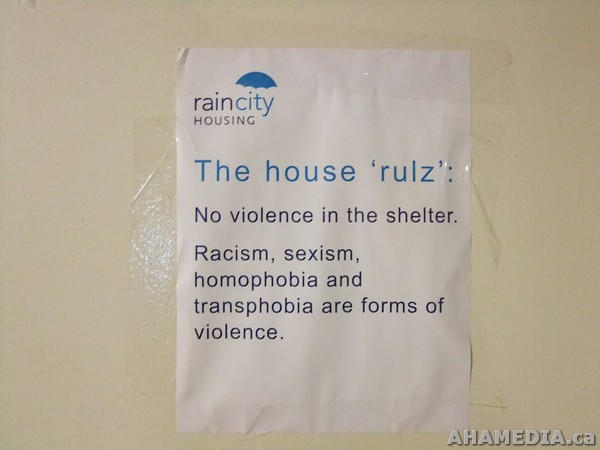
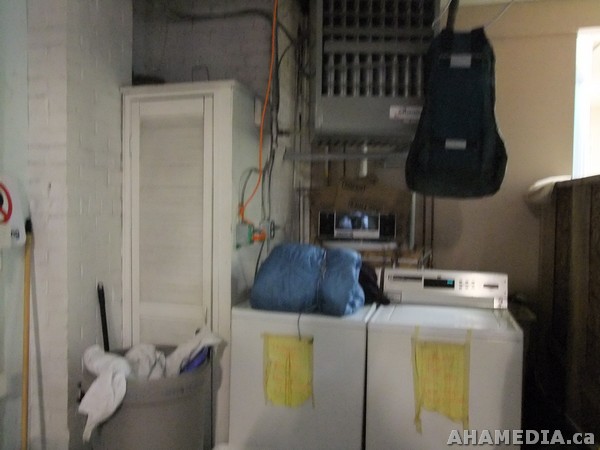
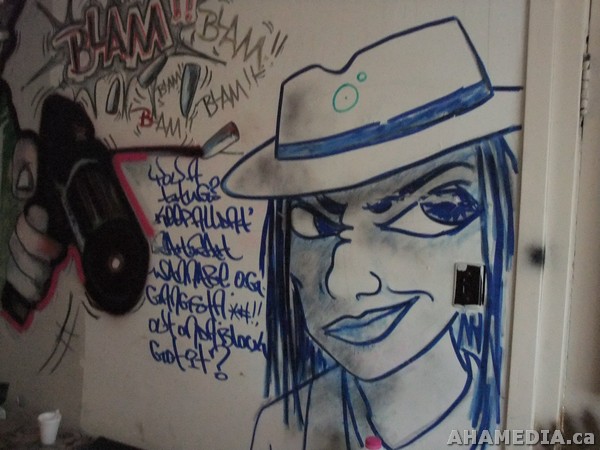
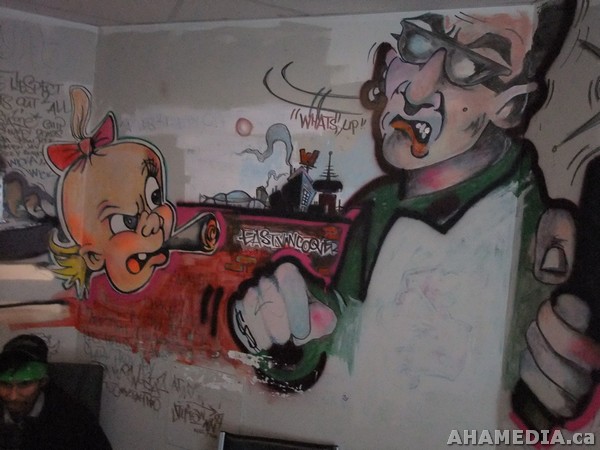
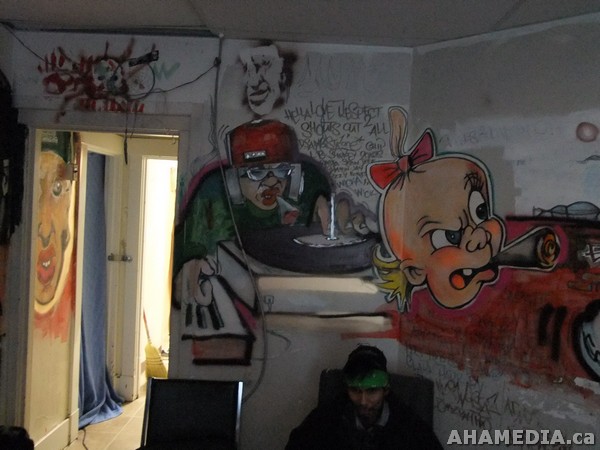
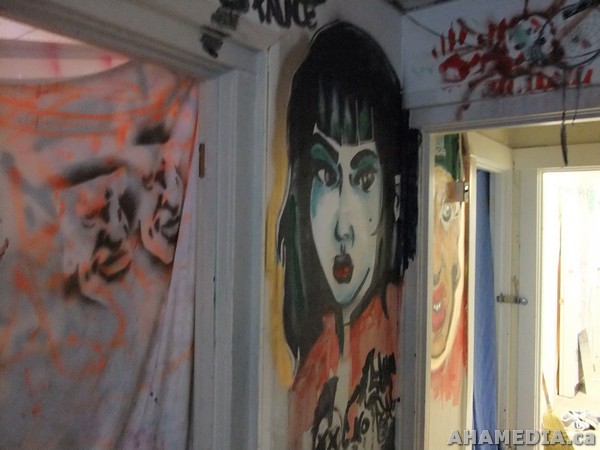
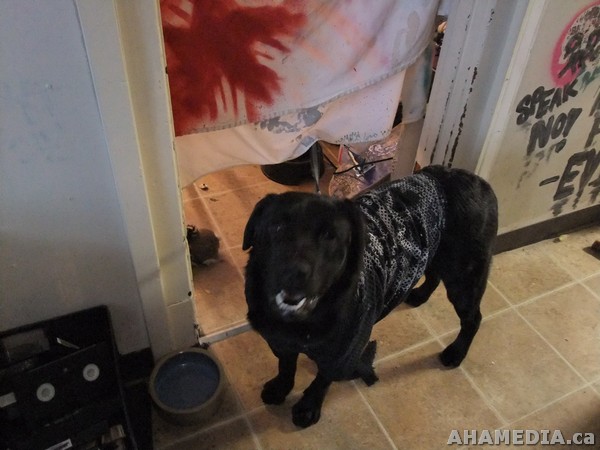
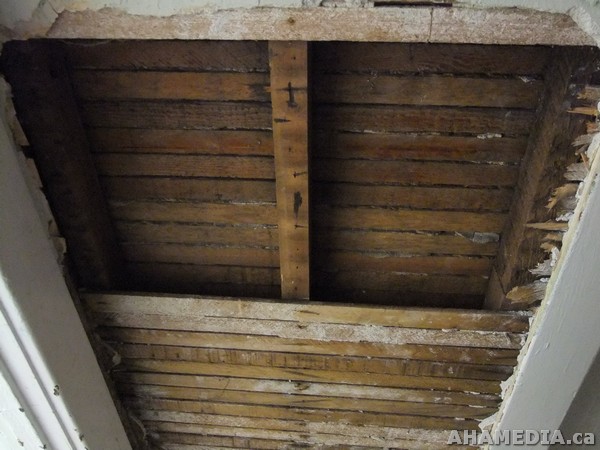
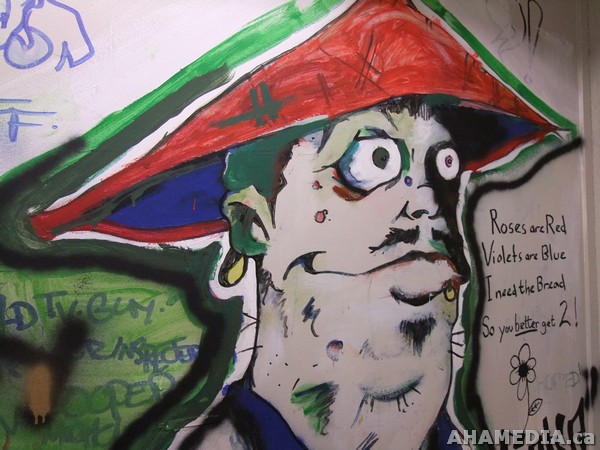
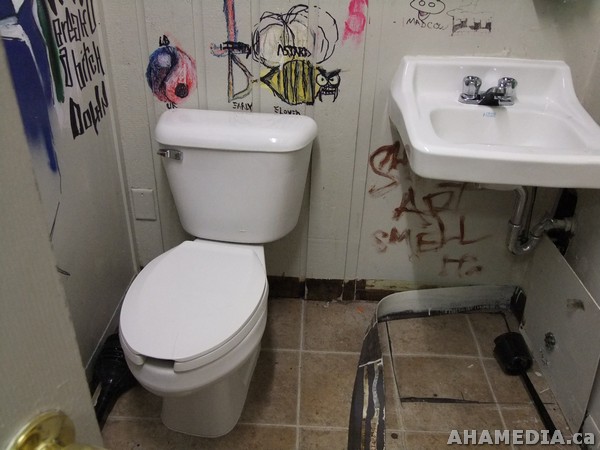
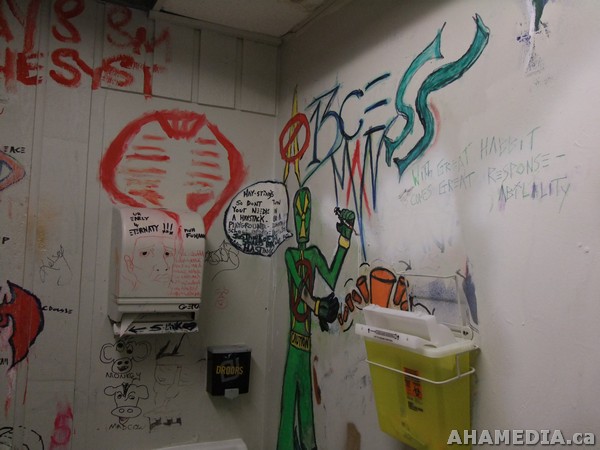
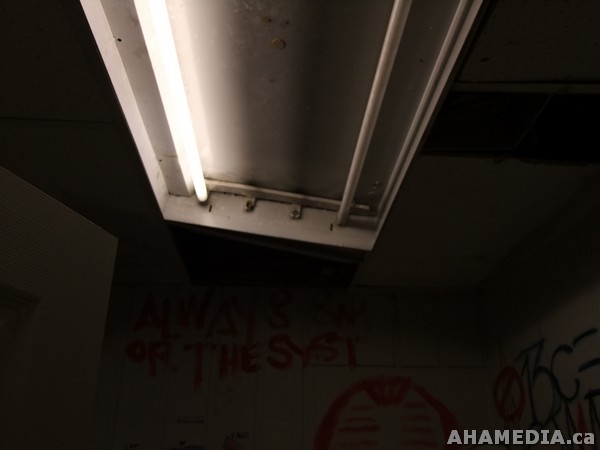
AHA MEDIA visit inside Howe Street Shelter at 1442 Howe St in Vancouver
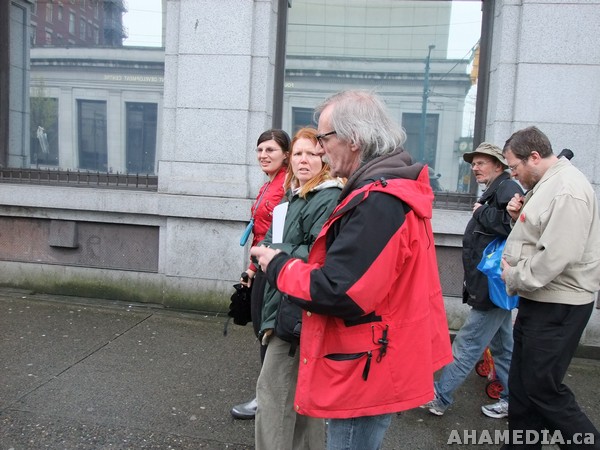
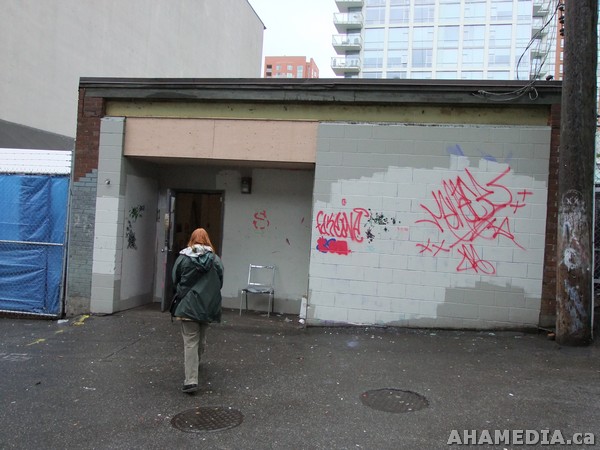
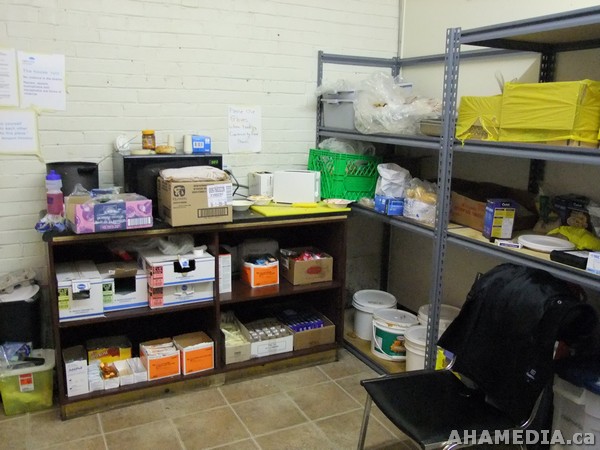
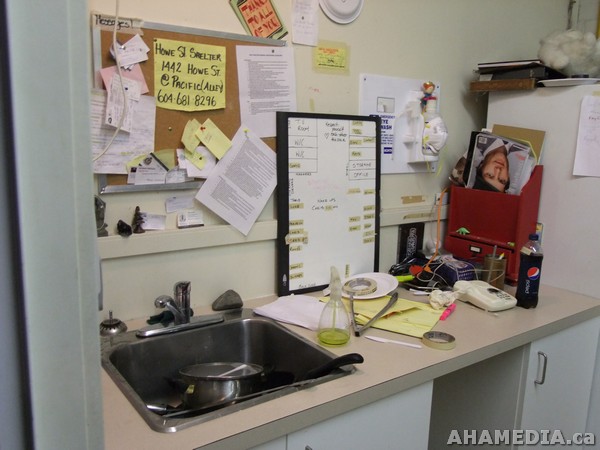
AHA MEDIA together with Wendy Pedersen and Dave Murray of Carnegie Community Action Project (CCAP) visit the Howe Street Shelter at 1442 Howe St in Vancouver that is due to be closed down on Thursday April 28, 2011
Homeless will start Tent City to demand shelter
Vancouver: Five emergency shelters are scheduled to close because of lack of funding and commitment from the city and province starting on April 27th. Homeless reps from three shelters with the support of housing advocates announced their intention to start tent cities outside shelters if funding is not renewed within 24 hours.
These 3 shelters are slowly emptying out and scheduled to close immediately:
747 Cardero St (Wednesday)
1442 Howe St (Thursday)
677 E Broadway @ Fraser St (Friday)
There are about 20-30 people remaining in these 3 shelters. Residents in these shelters lack options once their shelters close. They can’t rent apartments because of stigma from landlords. No social housing is available. Many can’t bear to go back to an infested, unsafe SRO in areas where they used to use drugs or have been “red zoned” by police.
As Marta from the Howe shelter said, “I’m going to stay right here in the alley. We are here because we don’t want to be alone. We got nobody. Everyone else has a family, we don’t. This is our family.” Marta said she doesn’t buy the excuse that governments don’t have money. She explained that each person in her shelter is eligible for $375 a month for rent on welfare and if you multiply this by 40 people per shelter that means BC Housing already has $15,000 a month to spend to keep her shelter open.
“I can’t go to an SRO”, said Chase from the Cardero Shelter. “I’ll go crazy and just end up back on the street. If this shelter closes, I guess I’ll head to the Super Value parking lot. That’s where we came from before they opened this place up.” “If I lose this place, these regular meals and my guaranteed spot here, then I’ll go back to selling drugs to survive,” said Deanna, also from the Cardero Shelter. Don from the Fraser shelter who is about 65 years old said: “Two women near IGA on Broadway got me to come here about a month ago. I’ve been outside a long time. I guess if they close this, I’ll be in the doorways, back laneways and behind restaurants.” Kerry from Howe said: If this closes I’ll find an abandoned house. I have my Coleman stove. I hope nobody will notice me. If this shuts down, the government will spend more money on corrections. People here will be panhandling, living in the allies. You would think they would rather we stay in the shelter.”
Shelter residents are under stress from poor health and because of the impending closure, but despite that, there is a strong spirit among many who want to stick together and form a vigil in front of the shelter to make their concerns heard. Advocates have joined together to defend shelter residents from losing their ground, their networks of support and these makeshift homes.
Wendy Pedersen of the Carnegie Community Action Project said, “We are mortified that we have to fight for these shelters every year. Premier Clark promised to regularize funding for shelters. She needs to show she’s in charge and get funding within 24 hours plus commit to building 2000 social housing units a year in BC. We need the Mayor to live up to his promises to end homelessness, buy land for social housing and cancel his office renovations in order to pay to keep these shelters open as long as needed.”
Gail Harmer, Council of Senior Citizens of BC, talked to shelter residents and asks: “Do Vancouverites realize that increasingly seniors are among the people using these temporary shelters? We simply cannot afford housing costs even after we sell all our possessions and go without medications and food!! We appreciate the ‘care’ and ‘community’ of these temporary 24 hour shelters. With their closing, the housing options offered by BC Housing are less appealing than the streets! Can you imagine?!”
“Last spring, the City and Province shut down 5 shelters. Now they are shutting down 5 more, kicking people who have nowhere else to go onto the street. There is no good reason to do this. Everyone suffers. This cruel and precarious situation has to change,” said Tristan Markle of Vanact! “Mayor Robertson won power on the backs of the poor and working-poor, promising to make Vancouver affordable and to end homelessness. But the City is becoming less affordable every day, and the numbers of homeless are only increasing. We need a big change.”
“Here we are with shelters closing in the same week the City of Vancouver passes a law saying it is illegal to put up shelter on a public street,” said Doug King, lawyer at Pivot Legal Society. “The lack of understanding is appalling.”
For more information, contact:
Wendy Pedersen, Carnegie Action Project (604) 839-0379
Nate Crompton, Vanact: 604-700-2309
Doug King, Pivot lawyer 778-898-6349







Advocates:
Association of Chinese Canadians for Equality and Solidarity
BC Association of People on Methadone
Carnegie Community Action Project
Citywide Housing Coalition
Council of Senior Citizens of BC (COSCO)
DTES Neighbourhood Council
DTES Women’s Centre Power to Women
Gallery Gachet
Indigenous Action Movement
Pivot Legal Society
St. Augustine’s social justice committee
Streams of Justice
Teaching Support Staff Union Social Justice Committee
Urban Subjects
Vanact!
Vancouver Area Network of Drug Users
Western Aboriginal Harm Reduction Society
Background info:
1) Homeless Count
According to the 2010 homeless count, the number of homeless in Vancouver has increased 12% from 2008, from 1576 to 1762. The count shows that the homeless continue to be disproportionately Aboriginal, older and in poor health. Until now, most homeless people have been able to find shelter beds; the closure of these shelters will mean more than 600 people will sleep on the streets of Vancouver.
http://vancouver.ca/commsvcs/housing/pdf/VancouverHomelessCount2010.pdf
Follow Us!


 AHA Media