Archive
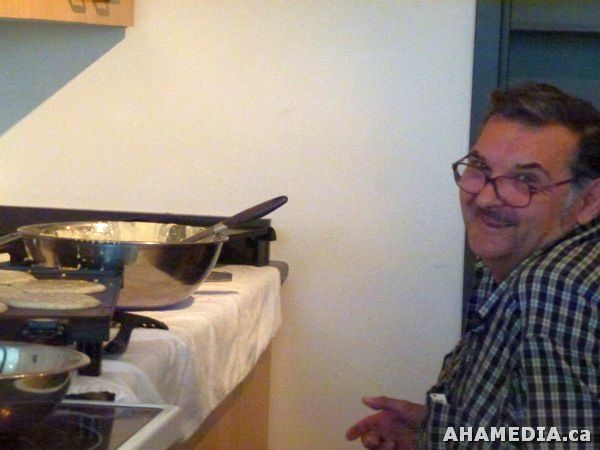
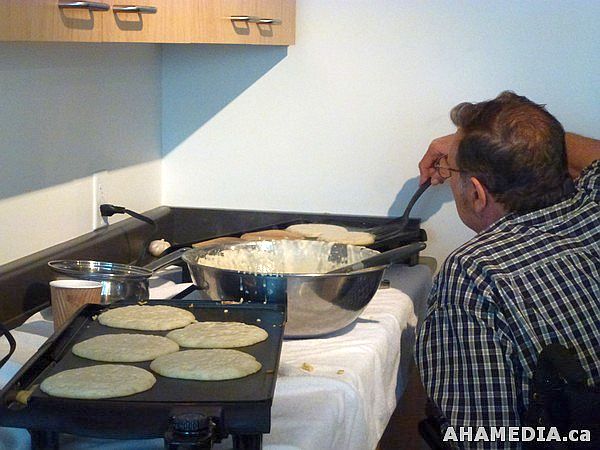
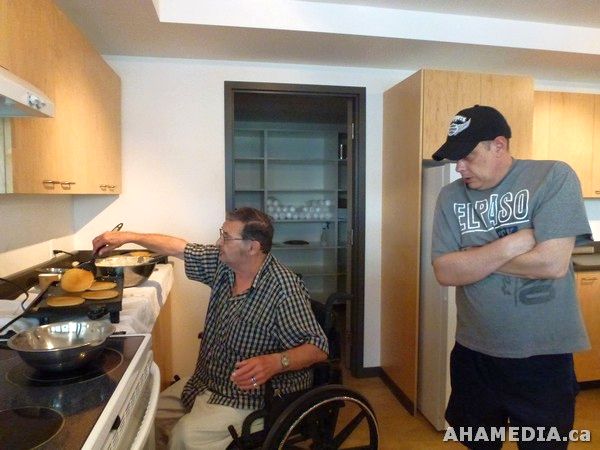
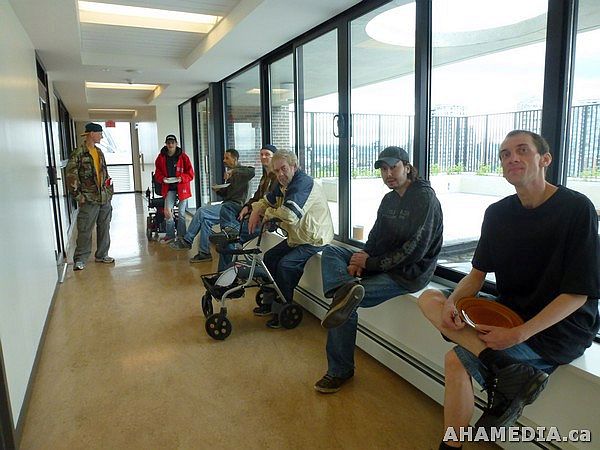
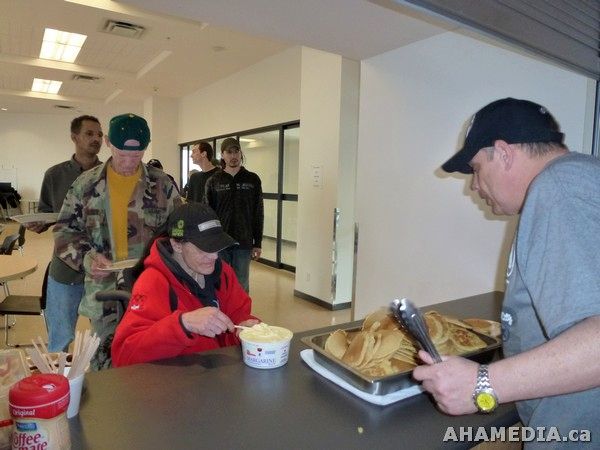
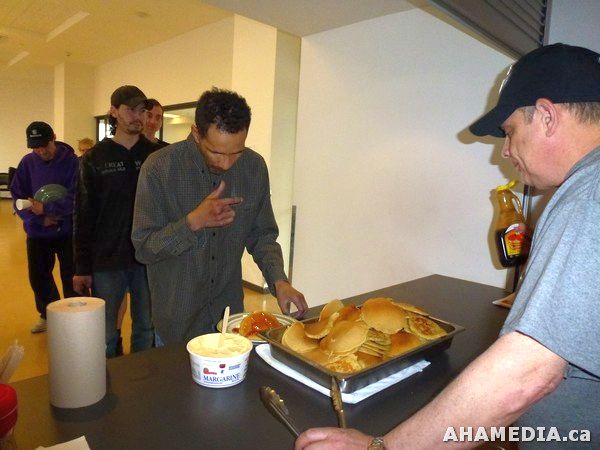
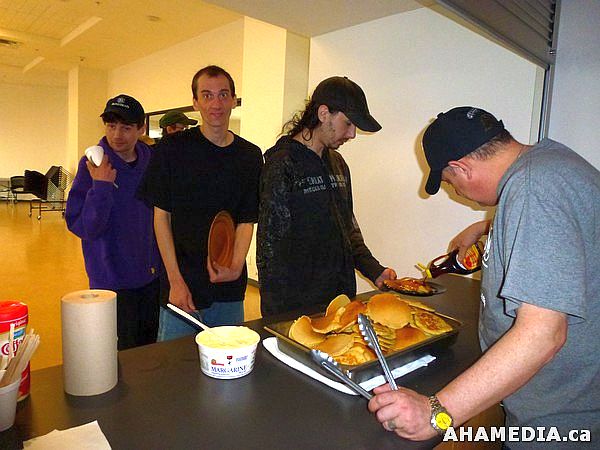
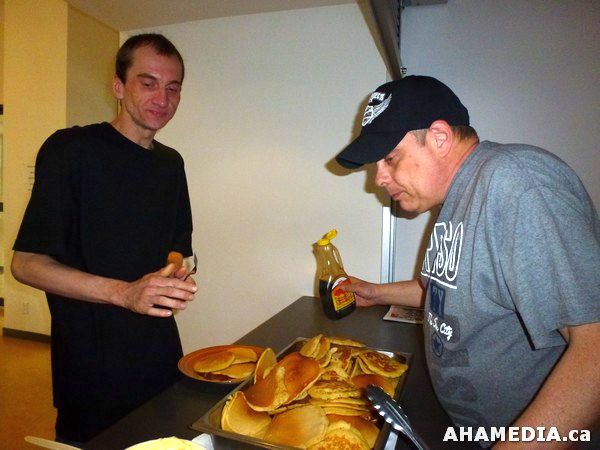
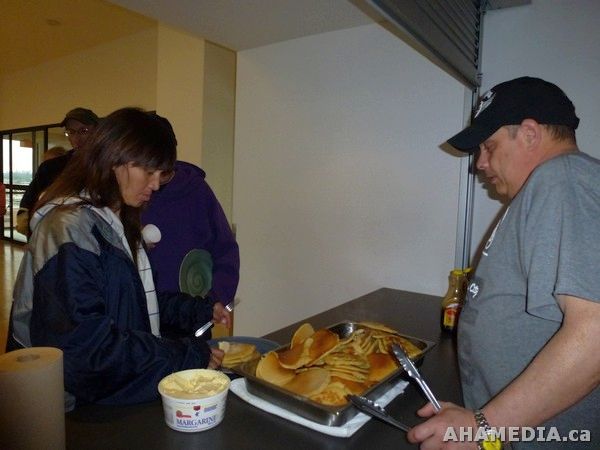
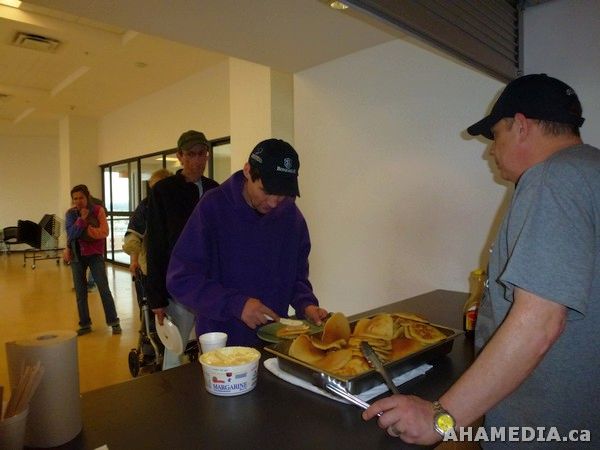
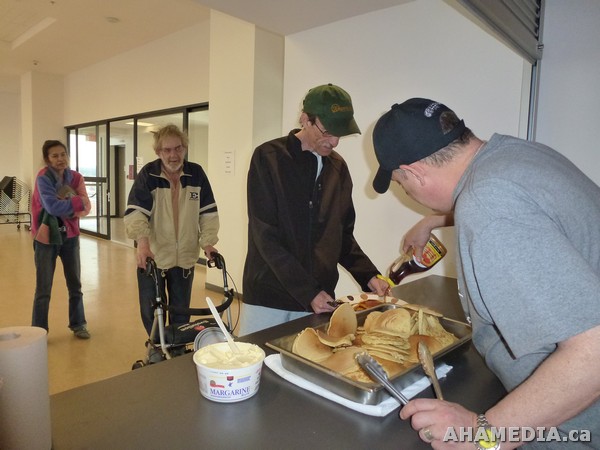
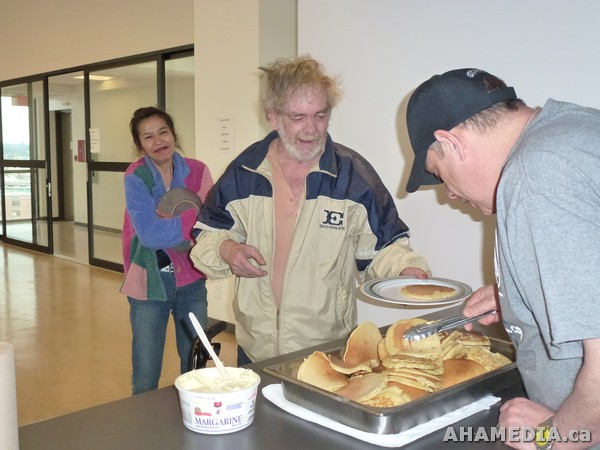
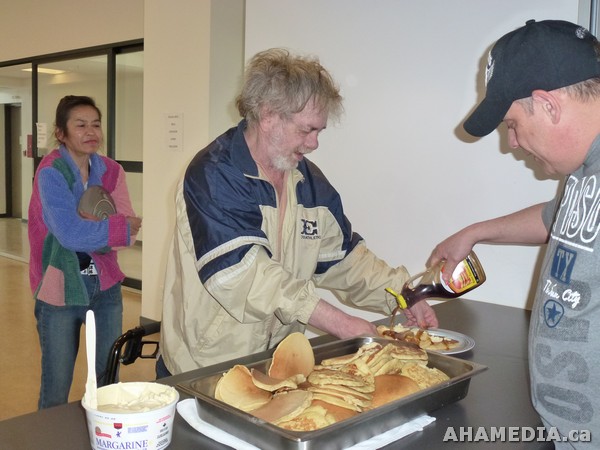
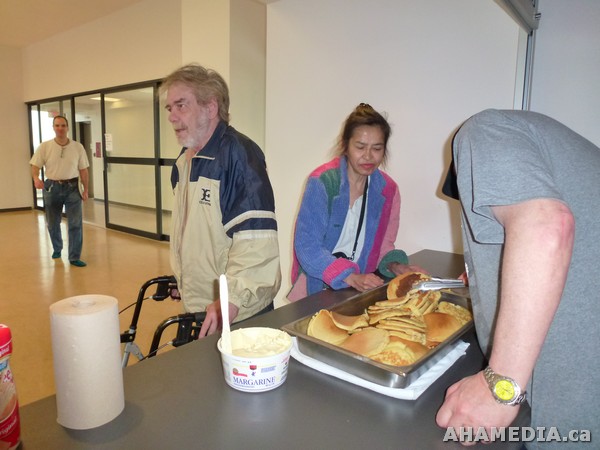
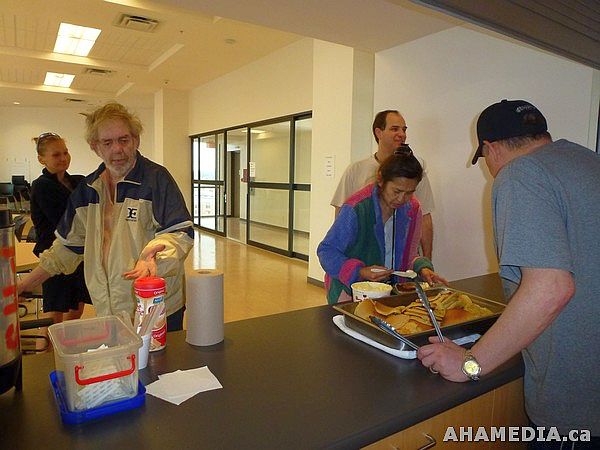
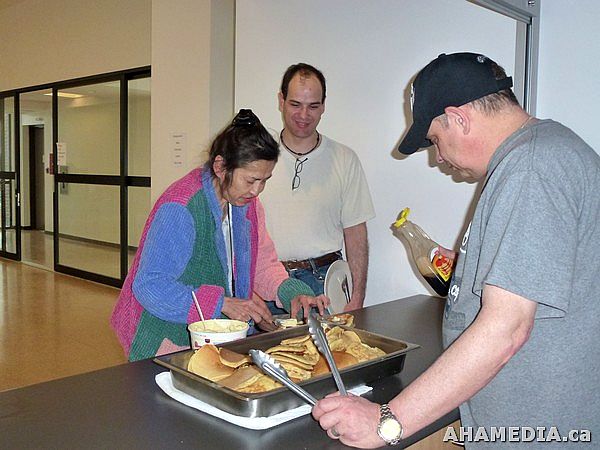
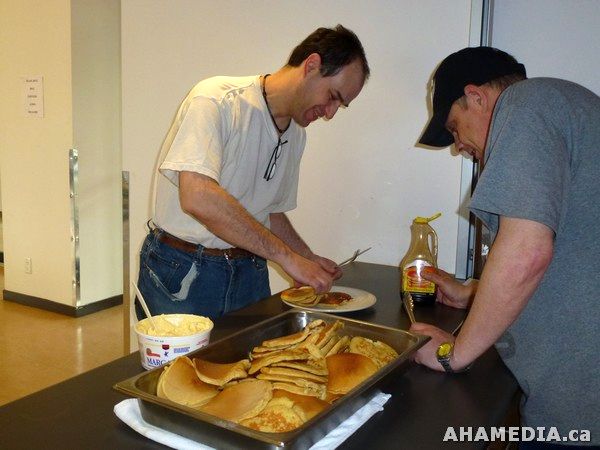
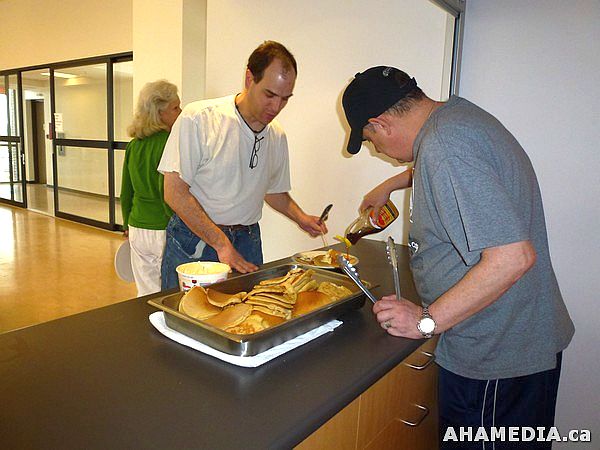
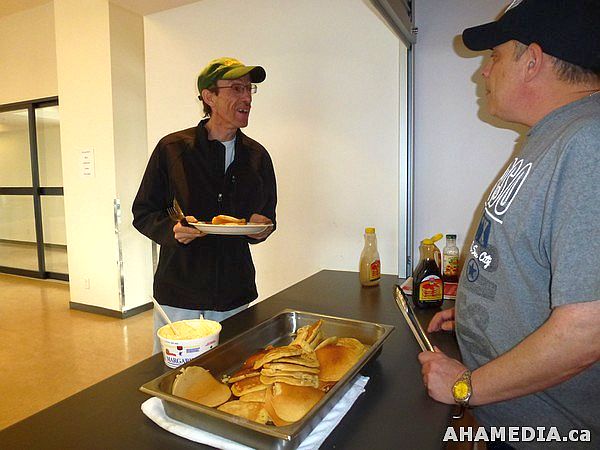
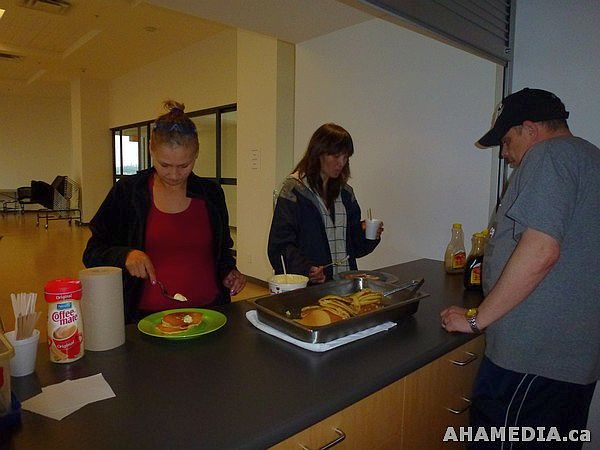
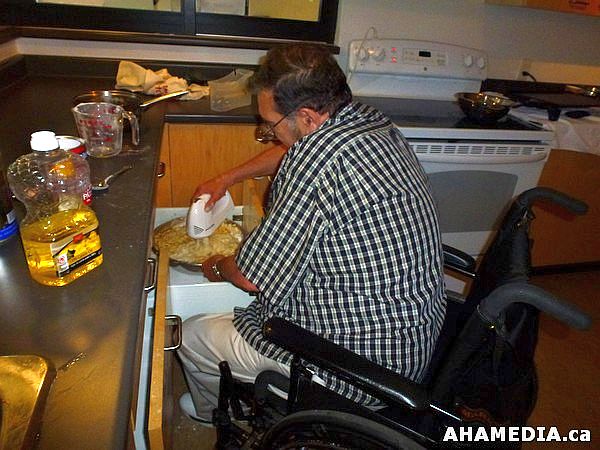
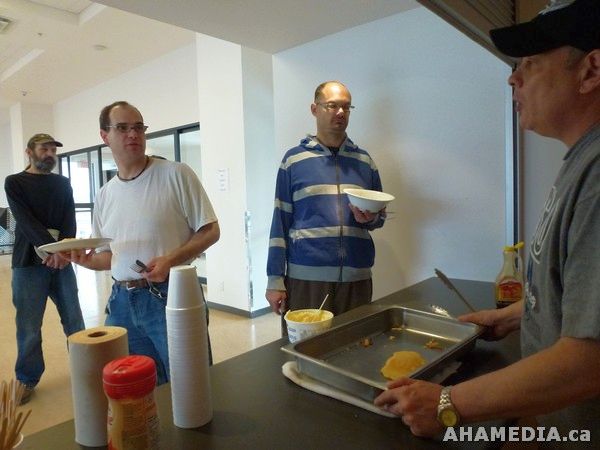
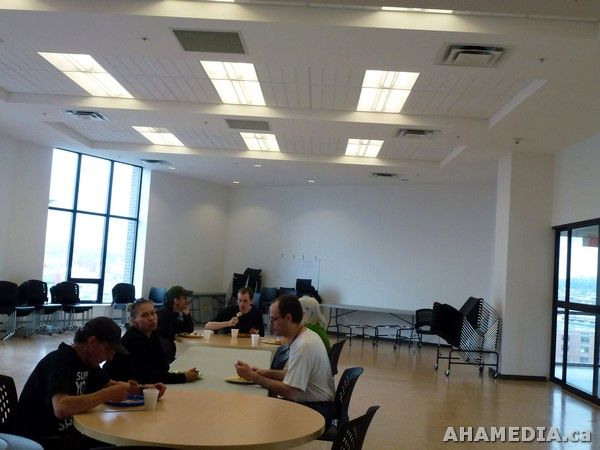
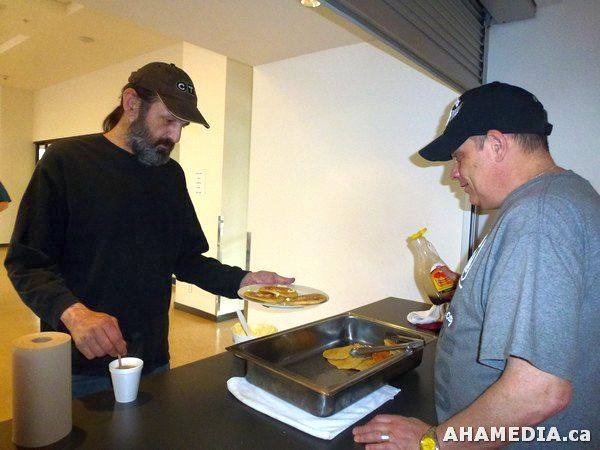
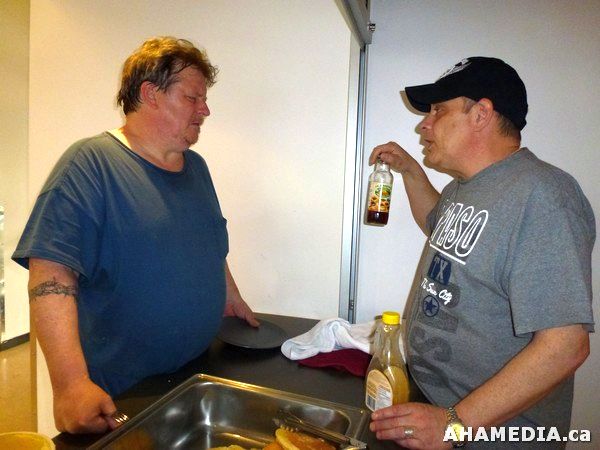
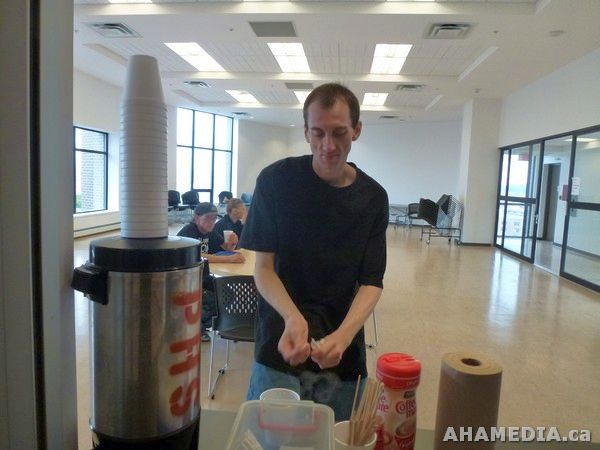
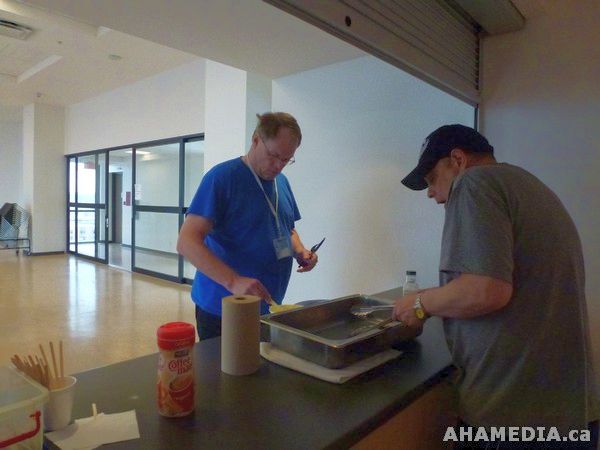
Saturday morning pancake at Woodwards Housing in Vancouver Downtown Eastside (DTES)
Delicious pancakes were cooked up by Dan, our generous chef to feed hungry residents.








W2TV: Raise the Rates MLA Welfare Challenge
Coast Salish Territory – 600 block Powell Street in the Downtown Eastside of Vancouver BC. Near the local office of the BC Ministry of Housing and Social Development.
On May 26, 2011, a group named Raise the Rates launches the MLA Welfare Challenge. A Challenge to BC MLA’s to see if any will live on the province’s rate of $610 for a single person.
Raise the Rates states an MLA accepting the challenge would be engaging in real action reseach and gain some understanding of what life on welfare is like.
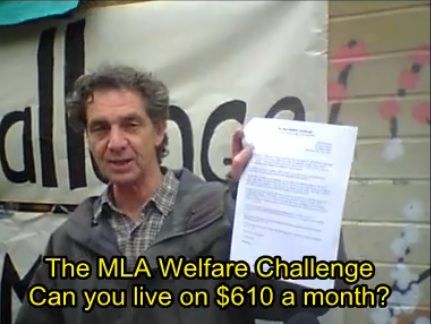
It has been 25 years since Vancouver MLA and later Speaker of the House Emery Barnes spent 7 weeks living on the welfare rate of the time. Among those issuing the challenge to MLA’s is Constance Barnes, daughter of the late Mr. Barnes and a CoV Parks Board Commissioner. She explained with pride her father’s act to support a raise in welfare rates.
Based on his experience, Emery Barnes stated that the welfare rate for a single person without disabilities should be $700. That is 25 years ago and equivalent to $1,290 today, more than double what is the present welfare rate.
Bob Hopwood of Raise the Rates states they will provide MLA’s support and advice and work with them to ensure the month is a valuable and insightful experience.
As the legislature is in session until June 2, Raise the Rates states after that would be a good time to start with July 1 being the latest. MLA’s have until June 16 to respond. Raise the Rates commits to provide $610 to one MLA from each party and link them to people on welfare to hear their stories and experiences.
As MLA’s determine the welfare rates, they should be able to survive on them as 90,000 BC families and individuals do. Along with the MLA Welfare Challenge, Raise the Rates also has demands as Jean Swanson explains.
By taking the challenge, MLA’s would find current welfare rates for most does not provide enough for nutritous food or adequate shelter let alone hygiene or transportation.
The average rent for a one bedroom apartment in Vancouver is $1,012 a month. Even in the lowest rent area of Vancouver the average rent is $805 a month. Raise the Rates is a coalition of over 20 organisation in BC concerned about poverty and nomelessness in the province.
For W2TV, Sid Tan reporting from the Downtown Eastside of Vancouver BC.
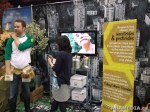
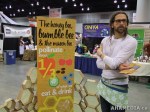
Cristina King, Regional Floral Specialist at Whole Foods Market speaks on declining bee population at Epic Expo in Vancouver
Whole Foods Market addressed a critical environmental issue on the declining bee population at their main exhibit with lots of fantastic displays and visuals.

Here are the facts:
- Bees are responsible for pollinating at least a third of our food crops including: nuts, coffee, mustard, apples, peaches and other fruits and vegetables.
- The value of pollination to Canadian food crops has been conservatively estimated at $1.2 billion per year.
- The bee population is rapidly declining in North America due to habitat loss and degradation and the use of pesticides. In fact, in the U.S. alone, feral honeybee populations have dropped approximately 90% in the past 50 years.
Within a 400-square-foot booth made of 100% recycled materials, Whole Foods experts will be on hand to educate people about the importance of the bee population for local agriculture and ecosystems and what they can do to help the decline. The exhibit will feature a full scale urban garden with a variety of living plants, informational displays and a movie trailer of “Queen of the Sun” – an award-winning documentary about the bee crisis.
In addition, bee keepers from B.C were present at select times throughout the weekend to discuss facts about pollination and honey production and the issues challenging the beekeeping community.


































At Home/Chez Soi National Training event by Mental Health Commission of Canada (MHCC) in Richmond, BC
The At Home/Chez Soi research demonstration project is investigating mental health and homelessness in five Canadian cities: Moncton, Montreal, Toronto, Winnipeg and Vancouver.
The At Home/Chez Soi project is based on a Housing First approach.
A total of 2285 homeless people living with a mental illness will participate.
1,325 people from that group will be given a place to live, and will be offered services to assist them over the course of the initiative. The remaining participants will receive the regular services that are currently available in their cities.

Participants will have to pay a portion of their rent, and be visited at least once a week by program staff. The project is all about choice, and people will be able to choose housing within a number of different sites within their cities – including apartments and group homes.
The overall goal is to provide evidence about what services and systems could best help people who are living with a mental illness and are homeless. At the same time, the project will provide meaningful and practical support for hundreds of vulnerable people.
Data from this kind of extensive research does not currently exist in Canada.
The MHCC project is unique and the largest of its kind underway in the world right now.
A comparison between different Housing First approaches and “care as usual” is being studied in all cities. In addition, each of the sites has specific population targets and various sub-studies
1. Moncton: one of Canada’s fastest growing cities, with a shortage of services for Anglophones and Francophones.
2. Montreal: different mental health services provided to homeless people in Quebec.
3. Toronto: ethno-cultural diversity including new immigrants who are non-English speaking.
4. Vancouver: people who struggle with substance abuse and addictions.
5. Winnipeg: urban Aboriginal population.
Read more here















































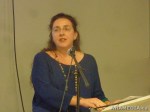
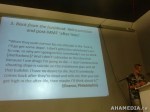
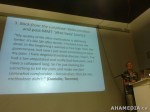
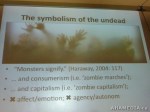
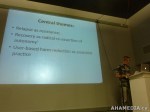
Making up Methadone: International perspectives on inequality, social justice and methadone maintenance therapy
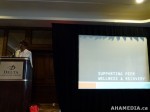
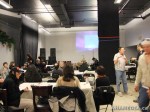
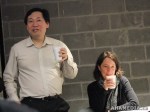
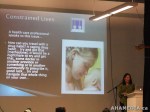
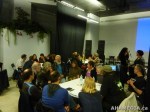
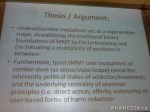
This event was part of a workshop which brings an international group of researchers to Vancouver to discuss the social and cultural dimensions of methadone maintenance therapy for opioid dependency.
An evening of presentations and dialogue focused on key dilemmas connected to this longstanding but often still controversial treatment. Lived experience, inequality and social justice are themes considered from the vantage point of different global contexts.










































Follow Us!


 AHA Media